

Long before Anni-Frid “Frida” Lyngstad became one of the unmistakable voices of ABBA, her life had already been shaped by war, loss, and displacement. Born in Ballangen, Norway, on Nov. 15, 1945, Frida was the daughter of Norwegian teenager Synni Lyngstad and German soldier Alfred Haase.
According to The Guardian, her early years unfolded during a painful period for children born to Norwegian women and German servicemen during and immediately after World War II. Many faced hostility and discrimination in postwar Norway, where such families could become targets of resentment over the German occupation. The story of Anni-Frid Lyngstad’s childhood stands out today because of just how far her life eventually traveled from those difficult beginnings.
Anni-Frid Lyngstad Childhood Was Marked by Loss and Separation
When Frida was still very young, she moved to Sweden with her grandmother, Agny. Her mother joined them, but tragedy soon followed. Synni died before Frida turned two, leaving her grandmother to raise her in Torshälla, near Eskilstuna. For years, Frida also believed her father had died while returning to Germany after the war.

Decades later, she learned that Alfred Haase was still alive and eventually met him as an adult. In a 2002 interview quoted by The Observer, Frida reflected on the emotional distance created by so many missing years, explaining that reconnecting as an adult could never fully replace having a father present during childhood.
From Difficult Beginnings to ABBA Stardom
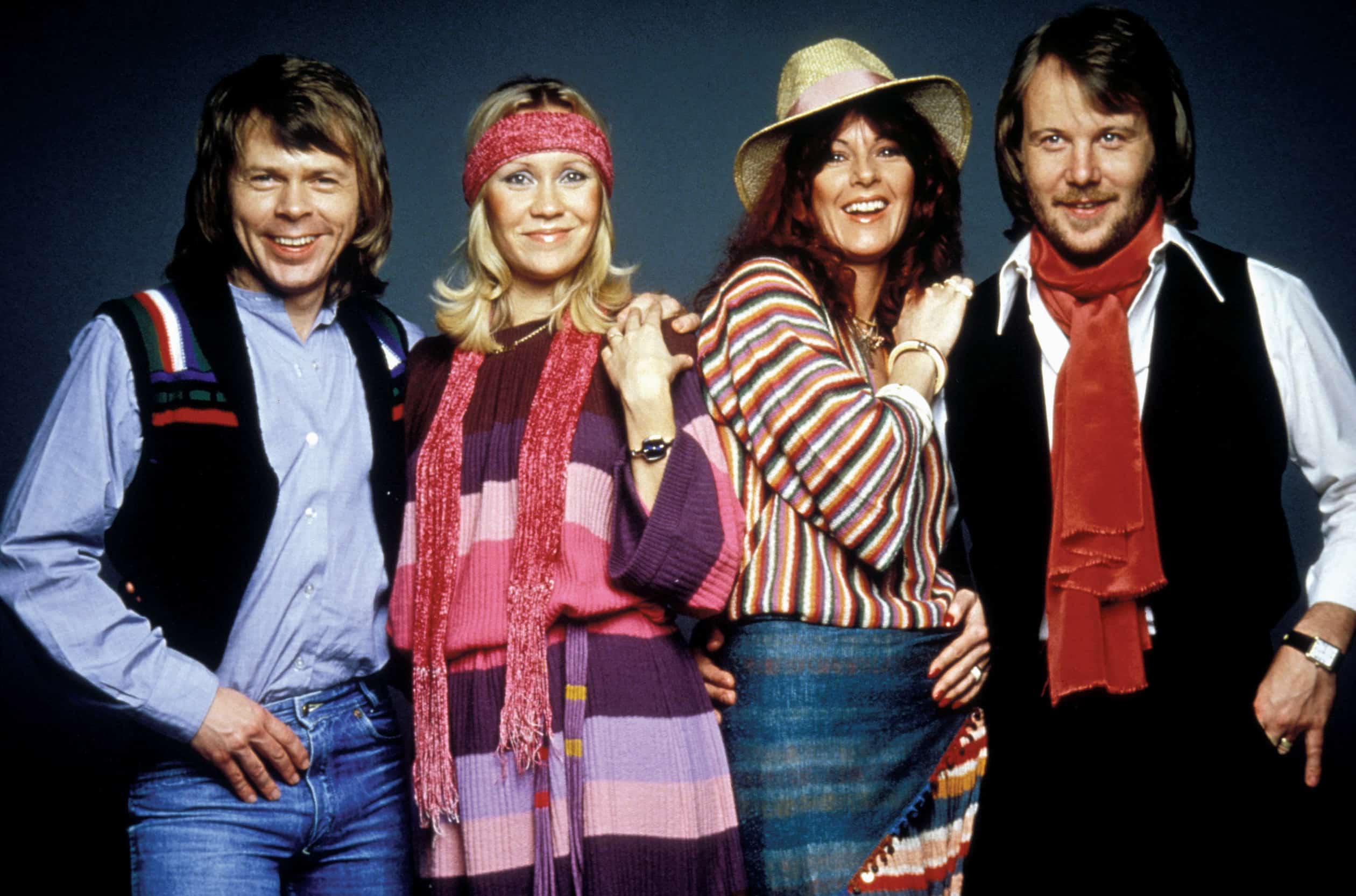
Music became part of Frida’s life early. She made her stage debut at 11, sang with dance bands as a teenager, and began recording professionally in 1967. By the early 1970s, she had joined Benny Andersson, Björn Ulvaeus, and Agnetha Fältskog. ABBA’s 1974 Eurovision win with “Waterloo” launched the group internationally, leading to enduring hits like “Dancing Queen,” “Mamma Mia,” and “Knowing Me, Knowing You.”

Looking back at Anni-Frid Lyngstad’s childhood adds another layer to the story of a performer many fans first discovered through ABBA’s polished harmonies and colorful 1970s performances. Before the worldwide tours, hit records, and enduring pop legacy, Frida had already endured profound personal loss and an unsettled beginning. Her journey from wartime Norway to international stardom remains one of the more remarkable stories behind ABBA. The music made Frida famous, but the life she lived before fame reveals a history far more complicated than the bright costumes and joyful melodies many listeners remember.


 Amanda Blake Felt More At Home On The ‘Gunsmoke’ Set Than In Her Own House