

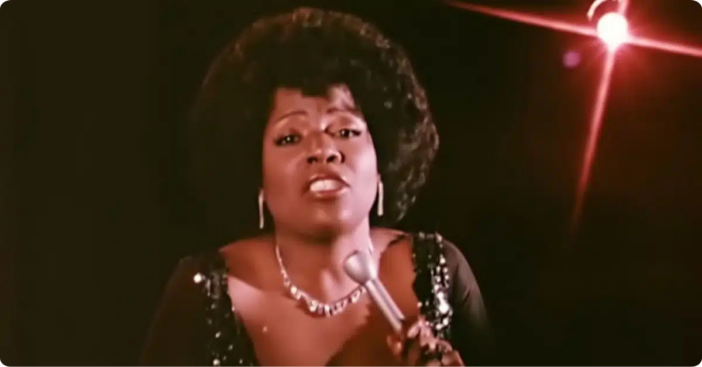
For nearly five decades, “I Will Survive” has helped listeners through heartbreak, setbacks, and difficult seasons. But the disco classic carried an especially personal meaning for the woman singing it. Long before it became an anthem for millions, the song helped its performer hold on to hope during one of the hardest periods of her own life.
According to CBS News, the story behind the hit feels even more powerful today as Gloria Gaynor celebrates another milestone in her remarkable career. The 2025 Kennedy Center honoree recently reflected on the physical pain and personal loss surrounding the recording, revealing that she didn’t simply sing about survival—she felt as though she was living every word.
Gloria Gaynor was recovering when she recorded ‘I Will Survive.’

In 1978, Gaynor suffered a serious spinal injury after falling onstage at New York’s Beacon Theatre. The accident forced her into months of recovery and created uncertainty about whether she could continue performing. Yet during that painful chapter, she entered the studio wearing a back brace and recorded the song that would ultimately define her career.

The lyrics connected with more than her physical recovery. Gaynor had also lost her mother a few years earlier, giving the song another layer of emotional meaning. She told CBS Mornings that she was “living that song” as she hoped to survive the trauma surrounding her. What started as a B-side soon became something much bigger, eventually winning the Grammy for Best Disco Recording in 1980.
From Newark Nightclubs to an Anthem That Refused to Fade

Before becoming a disco icon, Gaynor grew up in Newark and worked the nightclub circuit before her career took off. Her 1975 debut album, Never Can Say Goodbye, reached the Billboard 200’s top 25. “I Will Survive” later became a global anthem, inspiring hundreds of covers and joining the National Recording Registry in 2016. Gaynor continued performing for decades and won another Grammy for her 2019 gospel album Testimony.
Now, her Kennedy Center Honor recognizes a career built around far more than one era of music. Gaynor says younger performers should focus less on awards and more on using their gifts to reach people. That philosophy fits the legacy of “I Will Survive” perfectly: a song created during a painful season became a source of strength for generations. Nearly 50 years later, Gloria Gaynor remains inseparable from its message. What once helped her imagine getting through her own darkest moments continues to remind listeners that survival can become its own kind of triumph.