

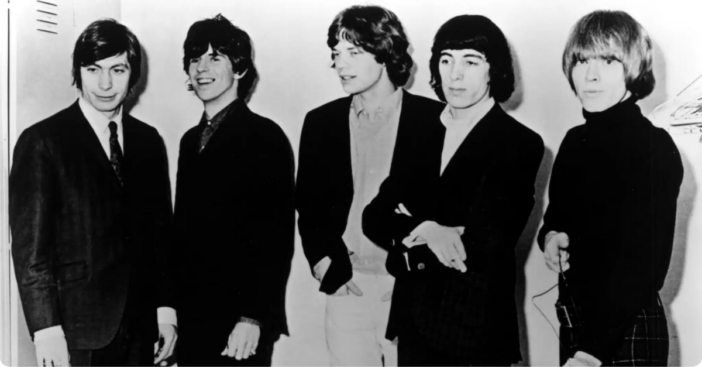
Some of rock music’s greatest moments happen unexpectedly, and one famous riff from the The Rolling Stones came together in the middle of the night. On May 6, 1965, guitarist Keith Richards reportedly woke up in a Florida hotel room with a melody and the phrase “can’t get no satisfaction” running through his head. That late-night inspiration eventually turned into one of the most recognizable songs in rock history.
According to American Songwriter, Richards quickly grabbed a guitar and recorded the riff on a portable tape recorder before falling back asleep. When he later played the idea for the rest of the band, it developed into “(I Can’t Get No) Satisfaction,” which soon became their first No. 1 hit on the Billboard Hot 100.
The Chaotic Night Before A Song From The Rolling Stones Changed Everything
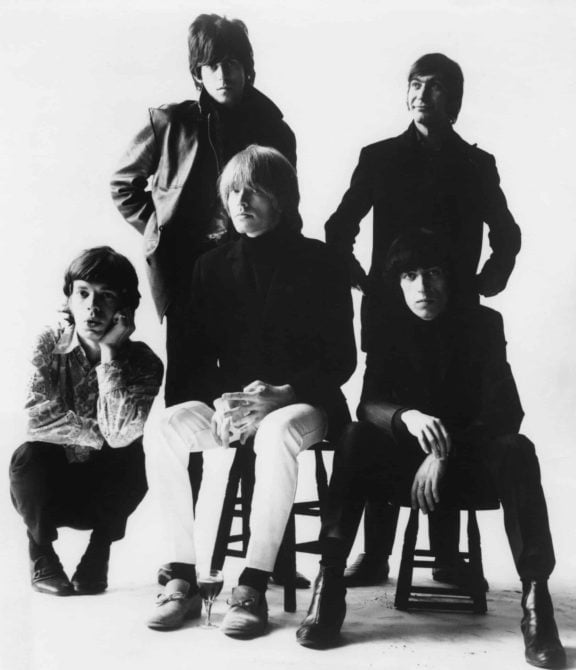
The inspiration reportedly came just hours after the group performed in Clearwater, Florida, where a concert ended early following clashes between fans and police. Authorities shut the show down after only a few songs, and the band returned to their hotel without realizing a major musical breakthrough was about to happen.
Richards also experimented with a newly delivered fuzz distortion pedal while working on the demo. At first, he reportedly disliked the distorted sound because he originally imagined the riff as a guide for horns. However, the band loved the gritty guitar effect and encouraged him to keep it. That decision ultimately helped shape the future sound of rock music for decades afterward.
Why The Song Still Feels Relevant Today

Beyond the famous riff, the track also connected strongly with listeners because of its themes. Mick Jagger wrote the lyrics after spending time in the United States and observing the growing influence of advertising and consumer culture. The song focused on frustration, commercialism, and the search for authenticity, themes that still resonate with audiences today.

As the years passed, the song became far more than just another hit single. It transformed into a defining moment for the band and helped cement their place in music history. Even now, this Rolling Stones song remains one of the clearest examples of how a simple late-night idea can evolve into a timeless cultural landmark.