

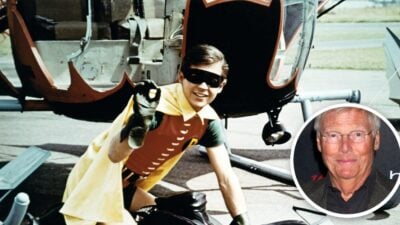
“When it was canceled, NBC wanted to pick it up,” Adam West told Scripps Howard News Service in 1989, more than two decades after the fact. The Adam West Batman series had been the biggest thing on ABC only two years earlier, and in the spring of 1968 a rival network was ready to give the Caped Crusader a fourth season. There was just one problem, and it was sitting in a studio lot in Los Angeles.
West, Burt Ward and Batgirl herself, Yvonne Craig, all told versions of what happened next over the years. Their stories line up on the part that hurt: the deal fell apart because of something that had already happened to the Batcave before NBC ever picked up the phone.
How Did The Hottest Show Of 1966 Run Out Of Road So Fast?
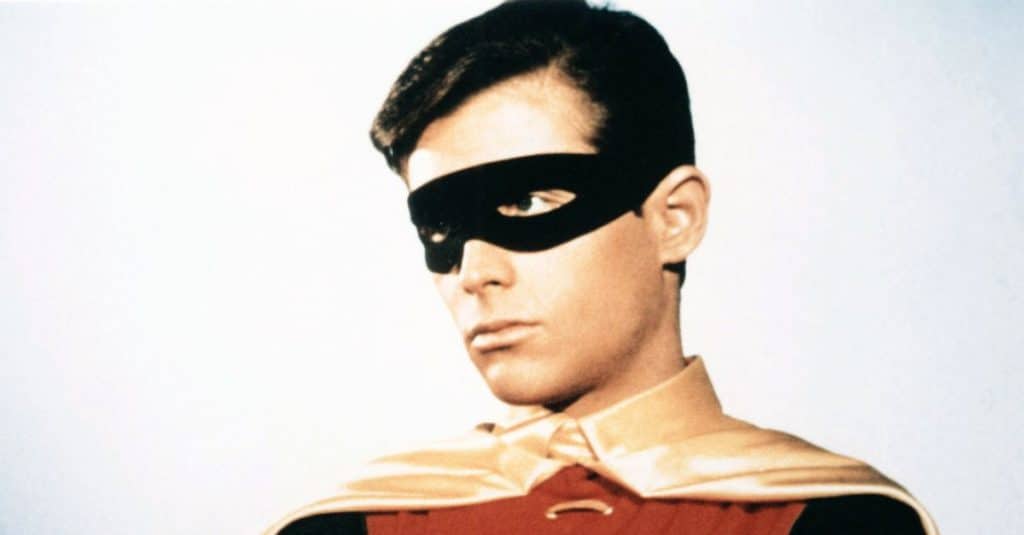
It is hard to overstate how big Batman was at the start. ABC premiered it on January 12, 1966, airing it twice a week on Wednesdays and Thursdays, and both halves of each cliffhanger landed in the top 10 for the season, CNN noted on the show’s 50th anniversary. Producer William Dozier, who also narrated every episode, had built the show around West playing it completely straight while the “POW!” and “ZAP!” cards flew around him.
The trouble was that all that color cost money. West explained that the series ran in the red from the start under deficit financing, which was normal for a new show, and the studio’s plan was to make enough episodes for reruns and earn the money back later. “Fox said, ‘Let’s just do enough episodes to put it in reruns and get our money back,'” he told the reporter in 1989. After that, he said, the cost cutting began, with less money for special effects and guest stars.
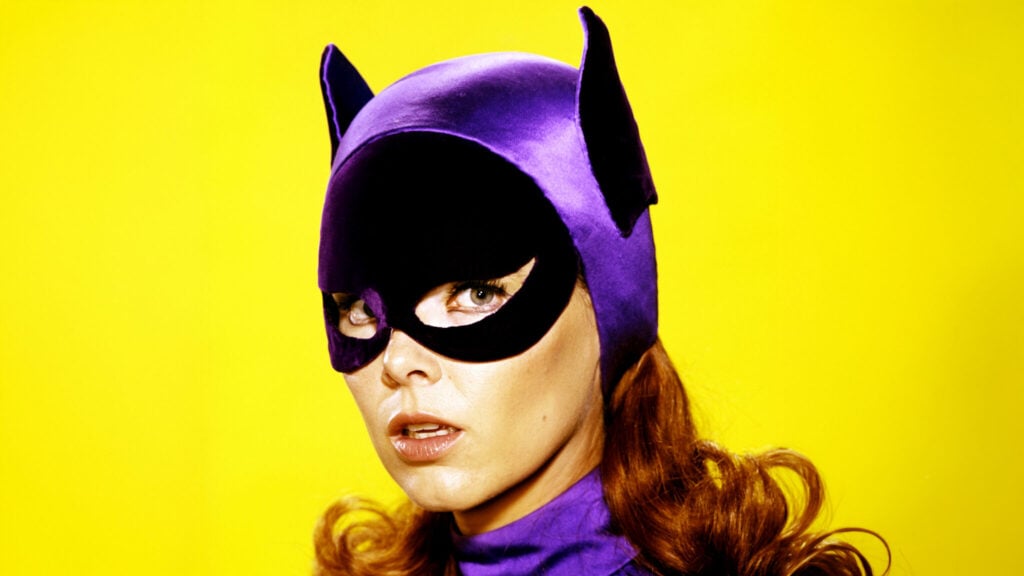
By the third season, the twice-weekly cliffhangers were gone, cut down to one self-contained episode a week. To bring viewers back, Dozier added Craig as librarian Barbara Gordon and her motorcycle-riding alter ego. Craig later had a frank theory about why she was hired. “They needed someone who could encourage an over-40 male audience and a prepubescent female audience,” she told interviewer Pat Jankiewicz in a conversation reprinted on her official website. “That’s the real reason why they hired me!” Even a new superheroine on a Batcycle could not stop the ratings slide.
ABC Pulled The Plug In March 1968
The 120th and final episode, “Minerva, Mayhem and Millionaires,” with Zsa Zsa Gabor as the villain, aired on March 14, 1968. The third season had produced only 26 episodes, compared with 60 the year before, and ABC let it go.
Dozier took the cancellation calmly. Talking to his hometown Omaha World-Herald soon afterward, as Creighton University’s alumni magazine recounted, he shrugged it off. “Well, we had a good three-year run,” he said. “That’s not bad for what was essentially a novelty show.”
The cast, however, had reason to think the story was not over yet. Another network was about to make an offer, and nobody at the studio seemed to have waited for it.
NBC Wanted Batman, But The Batcave Was Already Gone
West laid out the near miss in that 1989 interview, which the Deseret News ran in May 1989, a few weeks before Tim Burton’s Batman reached theaters. NBC wanted the series, he said, “but the expensive sets had been destroyed, including the enormous bat cave.” That cave, with its Batpoles and its gadgets labeled in big block letters, was the set every kid in America knew, and it no longer existed.
Ward told the same story when CNN interviewed him for the show’s 50th anniversary in 2016. NBC was ready to pick it up, he said, but the sets, which had cost hundreds of thousands of dollars to build, had been destroyed. Rather than pay to build everything again, NBC dropped the idea, and the series never made a 121st episode.
Who gave the order, and how fast it happened, is where the story gets painful. Some retellings blame ABC, but the sets belonged to the production, which 20th Century Fox Television made with Dozier’s Greenway Productions, not to the network. West, notably, did not point a finger. He only said the sets were gone.
A Bulldozer, An $800,000 Cave And A Call That Came Too Late
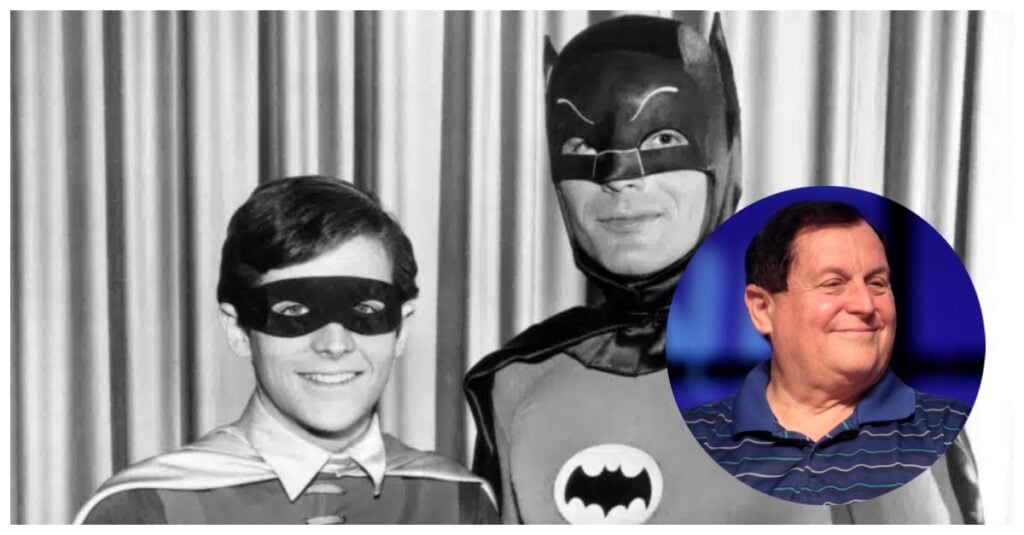
Craig, who died on August 17, 2015, at 78, gave the most vivid account. As the cast waited to learn whether anyone else would take the show, she recalled, “they came with a bulldozer and bulldozed the whole set.” In her telling, NBC called about two weeks later to ask whether the sets were still standing, because the network was interested in taking a shot at Batman. Building them again from scratch would have meant spending about $800,000, she said, and so nothing came of it.
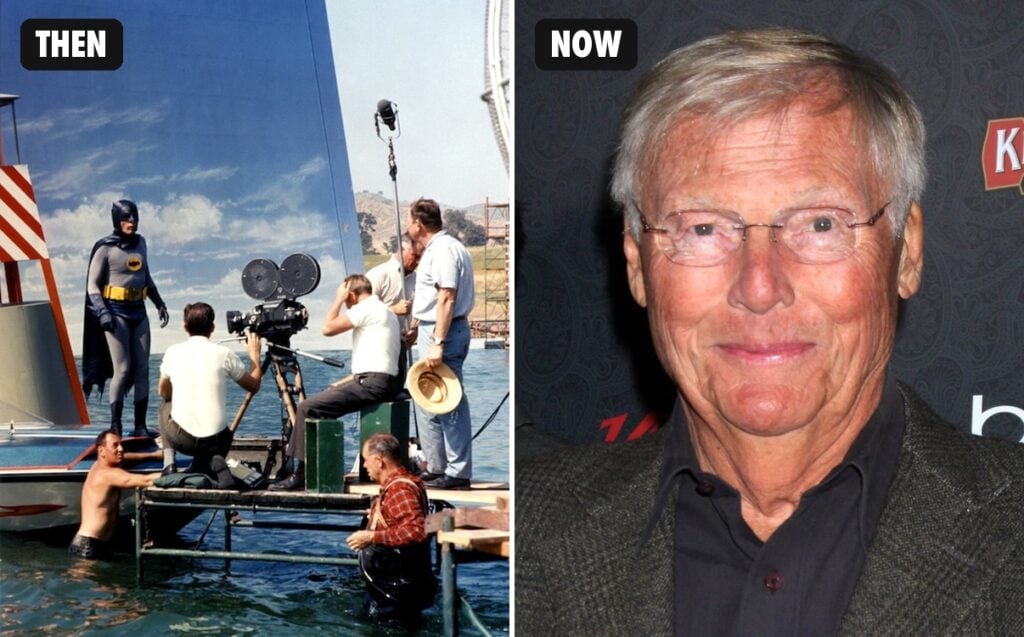
The show itself did not need new sets to survive. Reruns kept it on the air for decades, and a whole new audience found West through his voice work, especially as the eccentric Mayor Adam West on Family Guy. He and Ward each wrote memoirs, West’s Back to the Batcave in 1994 and Ward’s Boy Wonder: My Life in Tights in 1995, and they reunited in their old roles one last time for the animated movie Batman: Return of the Caped Crusaders in 2016. West died of leukemia in Los Angeles on June 9, 2017, at 88. You can read where the rest of the cast ended up in our look at the ’60s Batman cast members still alive today.
Ward, now 81, spends his days far from Gotham, running the Gentle Giants dog rescue with his wife, Tracy. And the man who narrated every cliffhanger turned out to be right about the show’s future. Back in 1968, with his show freshly canceled, Dozier told the World-Herald, “I suspect that Batman will go on playing forever.”