

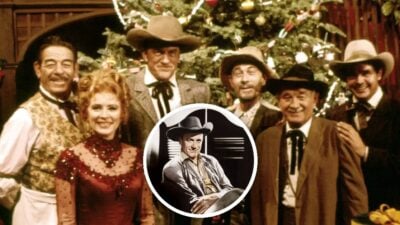
In the fall of 1966, TV Guide sent writer Robert de Roos to profile one of the most recognizable lawmen on television, and he came back with a story about a door that would not open. James Arness, then in his 12th season as Marshal Matt Dillon on Gunsmoke, would not sit down with him, and neither would his business manager. When de Roos phoned Arness’s younger brother, future Mission: Impossible star Peter Graves, the answer came with a groan. “Oh, boy,” Graves said, before explaining that he would not talk to anybody without Jim’s approval.
Hollywood assumed he was simply a rich man who no longer needed publicity. The people who knew him best, and Arness himself, told a different story. The real reason he kept reporters at arm’s length was simpler, and far more personal, than the gossip suggested.
How Did A Wounded Soldier From Minneapolis Become Matt Dillon?

He was born James King Aurness in Minneapolis on May 26, 1923, and went to war as an Army draftee. According to the Associated Press obituary and his Wikipedia biography, he was hit in the leg at Anzio, Italy, in 1944 and spent about a year in the hospital, which left him with a slight limp and a leg that ached for the rest of his life.
Acting found him after the war, and so did John Wayne, who recommended him for the lead in CBS’s new Western. Arness worried about being typecast. In a 2002 interview with the Associated Press, he remembered that Wayne quizzed him about his acting and then asked whether he drank. “Well, I have been known to take one occasionally,” Arness told him. Wayne’s verdict: “This is something you should really do.” He did it for 20 seasons, from 1955 to 1975, and if you watched him walk down Front Street every week, you know how that turned out. (Fans still ask whether Matt Dillon and Miss Kitty were ever really a couple.) That success made him one of the most famous faces in America, which is exactly when he started closing the door.
Why Did TV Guide Call Him ‘The Greta Garbo Of Dodge City’?
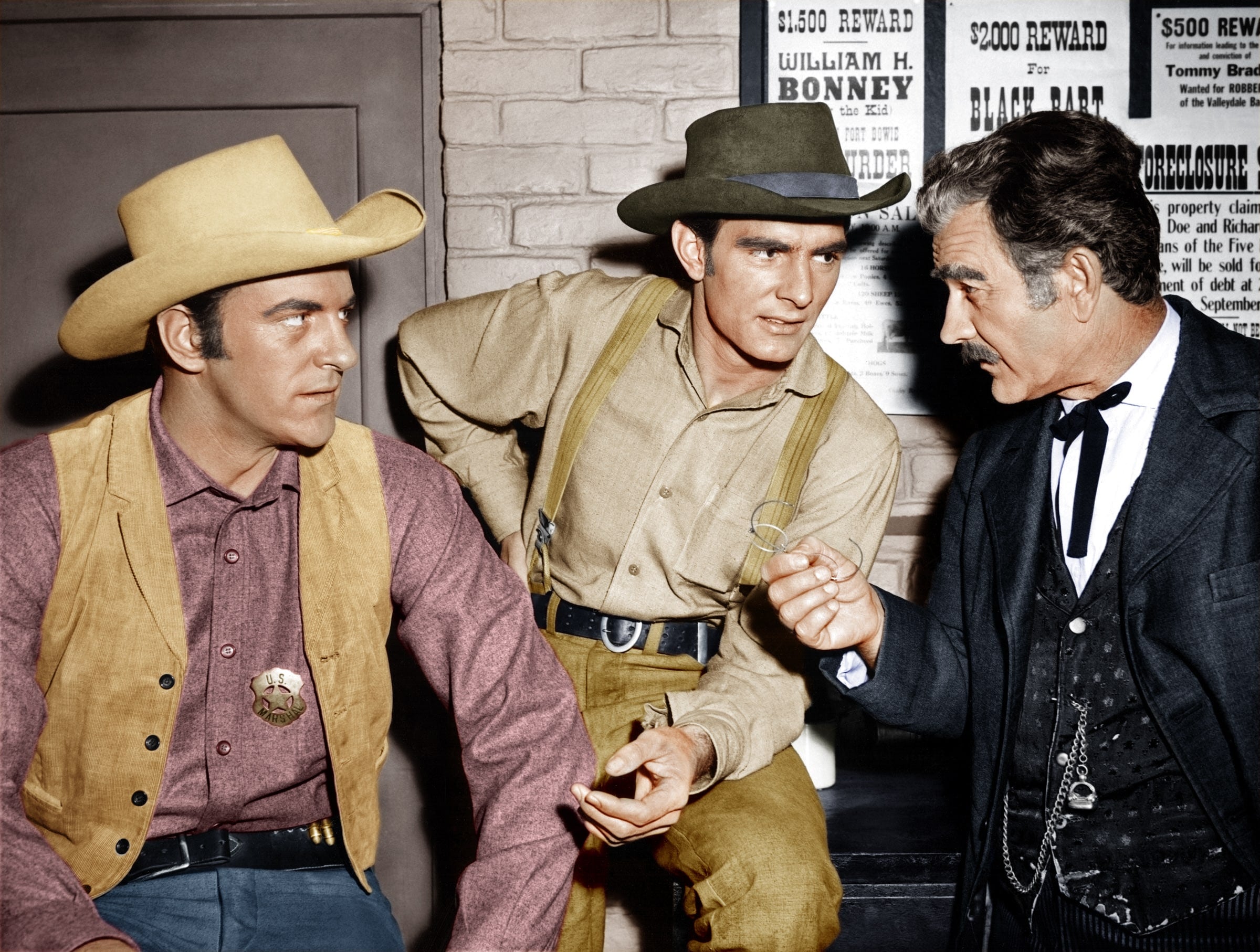
De Roos gave his December 10, 1966, feature that very title, and the details he gathered explain why. “Jim Arness will grant no interviews,” he wrote in the issue, which survives in a scanned copy at the Internet Archive. Arness demanded final approval of any story about him personally, a condition no editor would accept, and he had once told a CBS publicist, “I’ll give you $20,000 a year if you can guarantee I get no publicity.” De Roos had no doubt he meant it (Cheat Sheet later retold the story).
The set was guarded just as closely. A photographer who had come only to shoot the burning of Dodge City for a special effects scene said Arness sat “glowering at me” during a break, and the next thing he knew he was ordered off the stage. Even Milburn Stone was not safe. De Roos was in the middle of interviewing the man who played Doc when the producer called to say Arness was “very upset about this interview,” and that was the end of it.
A CBS publicity man grumbled that Jim was “acting more like a millionaire than an actor these days.” De Roos, oddly enough, decided Arness was right.
What Did Arness Himself Say About The Press?
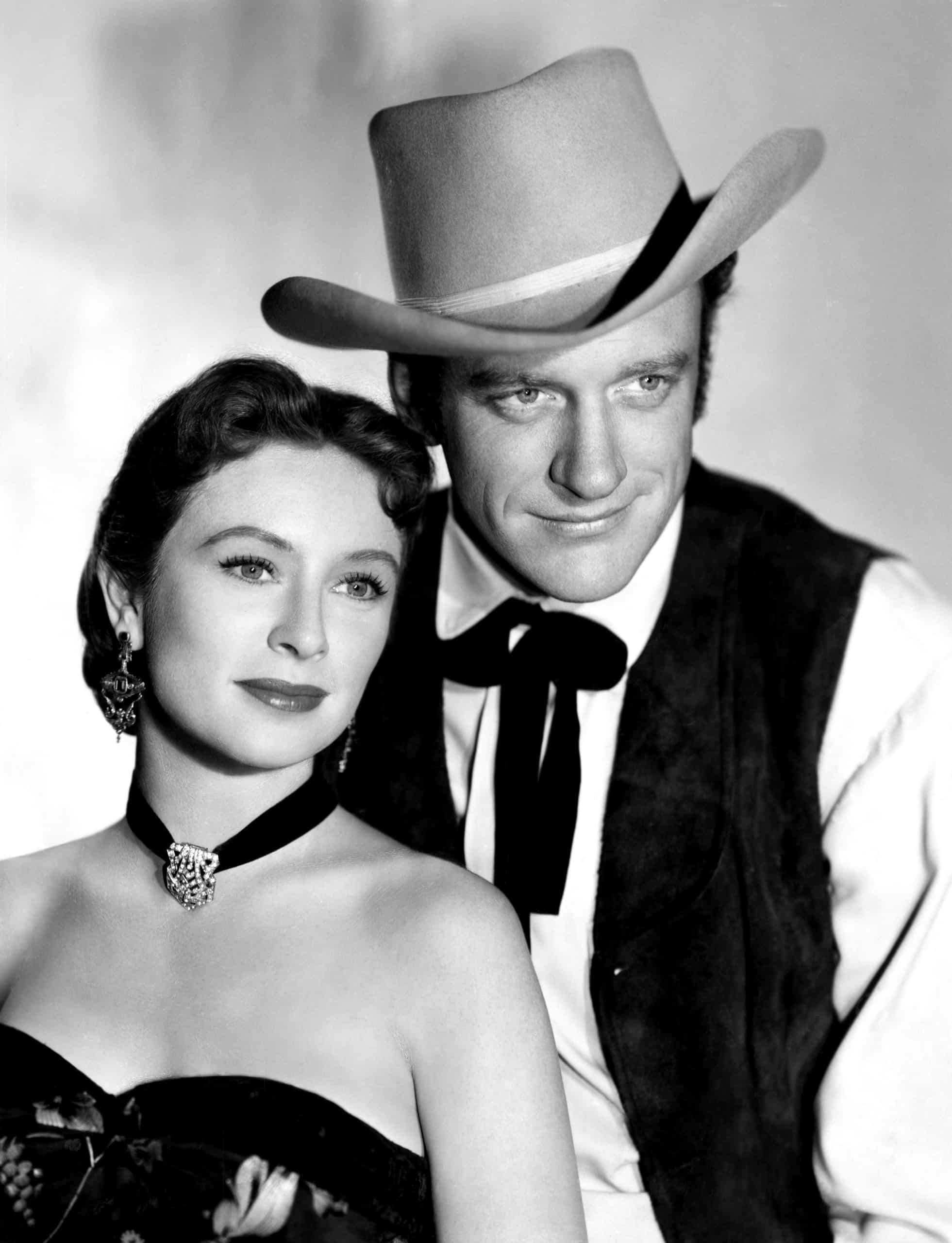
Years earlier, before the door shut, Arness had explained himself to de Roos. “There is this constant thing of people coming at you,” he said. “Fans, publicity men, writers, photographers. They usually wind up saying the same thing over and over. I’m sick of stories about being real tall.” De Roos described a shy loner, suspicious of flattery, whose aversion “did not grow with his bank account.”
MeTV recently highlighted a Knight Ridder interview in which he admitted part of him simply did not like interviews, and that there was little left to say about Matt Dillon. “When you play the same character in the same show more than six hundred times, you literally run out of things to say,” he said. Amanda Blake, his Kitty, had already noticed how differently he carried himself. Nobody quite knew yet how a television star should act, she told TV Guide. “Including Jim Arness.”
What he liked best happened far from any camera. He told de Roos that diving into a big surf was “the greatest spiritual cleansing I can imagine,” a way of getting “away from the mixed-up world.” He skied, sailed and skin dived, usually alone. But the sea was only part of why he guarded his free days so fiercely.
What Was Arness Really Protecting?

Norman Macdonnell, the producer who ran Gunsmoke in its early years, gave TV Guide the plainest explanation. The show kept Arness free on Mondays and Fridays because he had drawn a line. “If we can’t schedule it this way, let’s forget the whole thing,” Macdonnell remembered him saying. “I’m going to have some time with my children. Period.” De Roos agreed that if Arness met half the demands on him, he would not have a minute for his kids.
He and his first wife, Virginia Chapman, had divorced a few years earlier, and the years that followed brought grief he never discussed in public. His daughter Jenny died in 1975 and Virginia two years later, both of drug overdoses, according to the Associated Press and his Wikipedia biography. The AP noted that he refused to talk about those losses, and that silence reads now like the same protective instinct. His brother Peter died in March 2010 at 83, and Arness followed on June 3, 2011, dying in his sleep at his home in Brentwood at 88.
The man who dodged reporters for most of his career still left one last message for the public, a letter posted after his death. “I had a wonderful life,” he wrote, and he thanked fans for “the many years of being a fan of Gunsmoke.” Then he gave the credit away, the way he always had: “I had the privilege of working with so many great actors over the years.”


 The Only ‘A Christmas Story’ Cast Members Still Alive Today After This Year’s Loss