

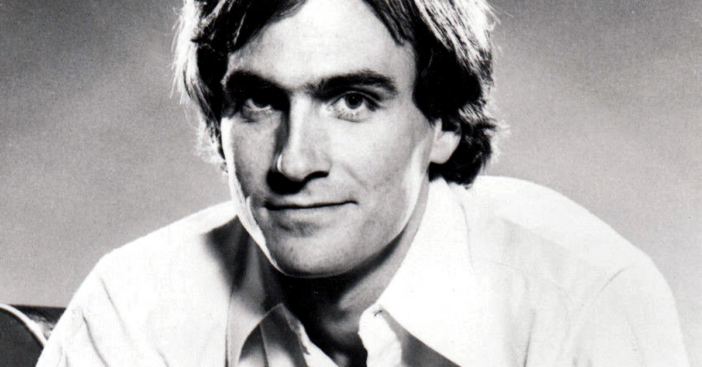
For more than half a century, listeners have puzzled over one name and one line in James Taylor’s “Fire and Rain.” Who was Suzanne, and who were the “they” whose plans put an end to her? Taylor answered both questions himself, and the real “Fire and Rain” meaning is sadder and plainer than the stories that grew up around it. Suzanne Schnerr was a friend from his New York days who took her own life in 1968 while he was in London making his first record.
As for “they,” he told Rolling Stone in 1972 that he had “always felt rather bad about the line,” because he meant no one in particular, only “ye gods,” the Fates.
The rest of the song is just as personal, though.
Taylor, born March 12, 1948, in Boston, is 78 today and still on the road, with a 2026 tour that ran from April through September 26 in Hollywood, Florida. The second verse is about his heroin habit, and the third looks back from a Massachusetts psychiatric hospital at the wreck of his first band, the Flying Machine. That band’s name is where the song’s most famous myth took off.
Who Was Suzanne, and Why Did He Hear So Late?
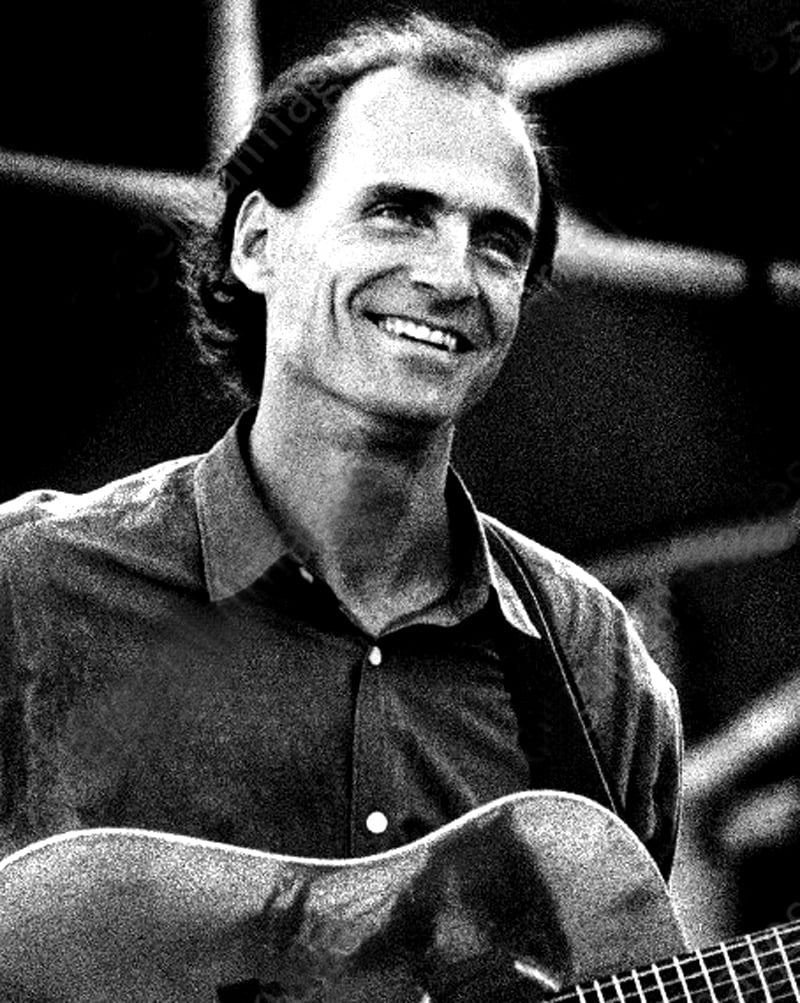
Taylor met Suzanne Schnerr in New York around 1967, when he was playing Greenwich Village with the Flying Machine. “I think she came from Long Island,” he told biographer Timothy White for the 2001 book Long Ago and Far Away. “She was a kid, like all of us.” In a 1971 interview with the British magazine Petticoat, quoted by Songfacts, he described her as “a girl called Susanne I knew who they put into an isolation cell and she couldn’t take it and committed suicide.”
By then Taylor was across the ocean. Peter Asher had signed him to the Beatles’ Apple Records, making him the label’s first non-British act, and he spent July to October 1968 recording his debut at Trident Studios while the Beatles worked on the White Album. His friends back home decided not to tell him.
“My friends had sort of kept the information about this death from me,” he said on NPR in 2000, adding that “my friend Richard Corey told me about it, but he had known about it for a month or so before he mentioned it to me.” That delay is the song’s first line. How long the secret lasted has never been pinned down, since Taylor has put it at “a couple of months” in one interview and closer to six months in another.
Even the messenger changes with the telling. In his 2020 audio memoir Break Shot, Taylor recalls hearing the news while out drinking with Joel O’Brien, the Flying Machine’s drummer, after the album was finished. “I reacted to the news by starting a song,” he says there. So what did he mean by the line that has bothered listeners most?
What Is the “Fire and Rain” Meaning of “The Plans They Made”?
Because Taylor had said Suzanne was locked in an isolation cell, many fans assumed “they” were the doctors or the institution that held her. That reading is a theory, and Taylor himself pushed back on it. In the same 1972 Rolling Stone interview he explained that “they” stood for fate rather than any group of people, and he admitted the wording worried him. “I never knew her folks but I always wondered whether her folks would hear that and wonder whether it was about them,” he said.
That is about as close to settled as the line gets. Taylor never named a hospital, a doctor or a family member as responsible, and he has not added new details about the circumstances of her death in the decades since. The second verse, though, he explained without any hedging at all.
How Did a Heroin Habit and a Hospital Shape the Song?
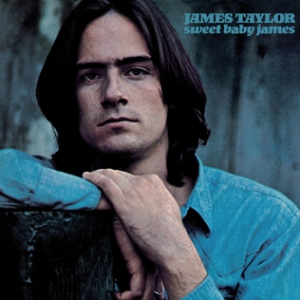
“The second verse is about my arrival in this country with a monkey on my back,” Taylor told Rolling Stone in 1972. He had picked up heroin in New York during the Flying Machine days. “As soon as I was introduced to opiates, I was gone,” he told Oprah Winfrey in 2015, according to Biography. Back from London in late 1968, he was hospitalized in Manhattan and then checked himself into the Austen Riggs Center in Stockbridge, Massachusetts.
It was not his first psychiatric stay. At 17, in late 1965, he had committed himself to McLean Hospital in Belmont for about nine months, a stay he later called “a lifesaver.” At Riggs the song came together. “I was institutionalized at Austen Riggs in Massachusetts,” he told American Songwriter in 2007, as reprinted by American Songwriter in 2021. “I wrote the second two verses there.” Finishing it, he said on NPR, “relieved a lot of sort of tension.” The third verse is the one people misheard most.
Did Suzanne Really Die in a Plane Crash?
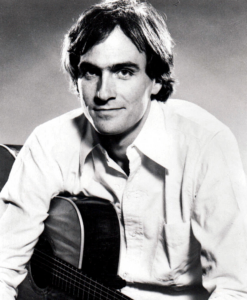
For years a story went around schoolyards and radio call-in shows that Suzanne was Taylor’s girlfriend, or even his fiancée, and that her plane went down on the way to one of his concerts. The “proof” was the line about sweet dreams and flying machines lying in pieces on the ground. Snopes long ago filed the tale as an urban legend, and nothing Taylor has said supports it. Suzanne was a friend, not a fiancée, and she died by suicide.
The flying machines were his band. Taylor formed the Flying Machine in New York in 1966 with Danny Kortchmar on guitar, Joel O’Brien on drums and Zachary Wiesner on bass. They played the Night Owl Cafe, cut a single called “Night Owl” that stalled at No. 102, and fell apart after a string of bad bookings that included an unpaid job in the Bahamas. Taylor has described the third verse as a more general look back at his life, “thinking back to my band The Flying Machine,” and he gave it the most memorable label in his whole explanation: “Like a postcard from the loony bin before going back out into the world and reengaging.” We could not find an interview in which he addresses the crash rumor word for word, but in every account he has given, from 1971 to his 2020 memoir, there is no plane in the story. That postcard turned out to be his ticket back out.
Why Does “Fire and Rain” Still Matter to Taylor?
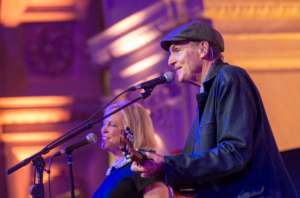
He cut the song in December 1969 at Sunset Sound in Los Angeles, with Carole King on piano and Russ Kunkel playing brushes instead of sticks. It came out on Sweet Baby James in February 1970, and the single climbed to No. 3 on the Billboard Hot 100. “‘Fire and Rain’ was my first hit,” he said plainly in 2007. The friendship forged in those sessions paid off a year later, when King’s “You’ve Got a Friend” became his first No. 1, and she went on to her own run with songs like “It’s Too Late.”
The song has followed him ever since, through five decades of concerts, and if you have ever wished him a happy birthday, Sweet Baby James, you know the song the crowd waits for. When he finally told his own story in Break Shot, he chose to close the memoir with a live recording of it, and he summed up what a few lines about a lost friend had done for him, as Rolling Stone reported in 2020.
“I would carry that song with me for the next year or so,” Taylor said. “Then that song would carry me for the rest of my life.”