
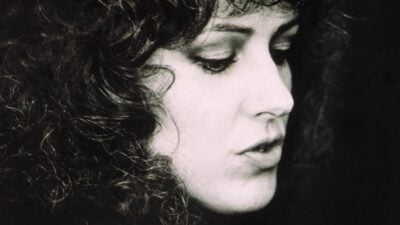
Grace Slick turns 87 on Friday, October 30. She was born Grace Barnett Wing on that day in 1939 in the Chicago area, and by 1967 her voice on “White Rabbit” and “Somebody to Love” had made Jefferson Airplane the sound of San Francisco. Three years later she received an invitation addressed to Grace Wing, the name she had used during a year at Finch College in New York, asking her to tea at the White House with the president’s daughter, Tricia Nixon.
She said yes, and she decided to bring Yippie activist Abbie Hoffman as her escort, plus about 600 micrograms of LSD meant for Richard Nixon’s teacup. “I’m not really an alumni, because I didn’t graduate,” she admitted to Counterpunch in 2009. “And I thought, ‘Oh yeah, I think Tricky Dick needs a little acid.'” How far that plan got is the best part of her story, and it starts with a song she wrote before she ever joined the Airplane.
Where Did “White Rabbit” and “Somebody to Love” Really Come From?

Both songs were born in a band called the Great Society, which Slick formed in 1965 with her first husband, Jerry Slick, and his brother Darby. Darby wrote “Somebody to Love,” and Grace wrote “White Rabbit,” reportedly in about an hour, as a pointed little sermon built from Alice in Wonderland. “Alice takes at least five different drugs in that book,” she told The Guardian in 2025.
When Jefferson Airplane lost singer Signe Anderson in 1966, Slick was invited in, and she carried both songs across with her. “When I went from Great Society to Airplane I brought that and ‘White Rabbit’ with me because people responded,” she told Relix in 2010. Both became Top 10 hits from the 1967 album Surrealistic Pillow, and guitarist Jorma Kaukonen has said Grace Slick changed everything for the band.
Two years later, the Airplane was booked for the biggest crowd any of them had ever seen.
What Did Woodstock Look Like From the Stage at Dawn?
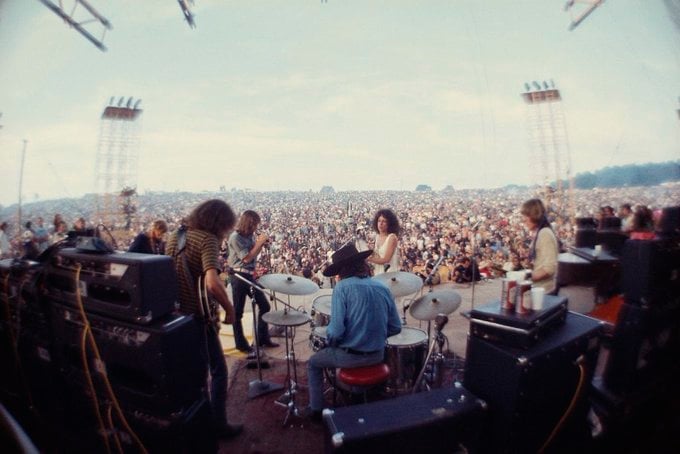
Jefferson Airplane was supposed to play Woodstock on Saturday night, August 16, 1969, but delays pushed the set to roughly sunrise on Sunday, according to Bethel Woods and Relix. A bleary Slick greeted the hillside of sleeping bags by promising them some “morning maniac music,” and the band played on into the morning for a crowd that organizers had long since stopped counting.
Four months later the mood curdled. At the Altamont Speedway concert in December 1969, where the Hells Angels were working security, singer Marty Balin jumped off the stage to stop a beating and was knocked unconscious. Balin told the Los Angeles Times in 1994 that he had watched men beating fans with pool cues right in front of the stage, and a concertgoer was stabbed to death later that night.
The Airplane began to splinter after that, and Slick’s next chapter came with a new name on the marquee.
Why Did She Call Her Biggest Hit Ridiculous?
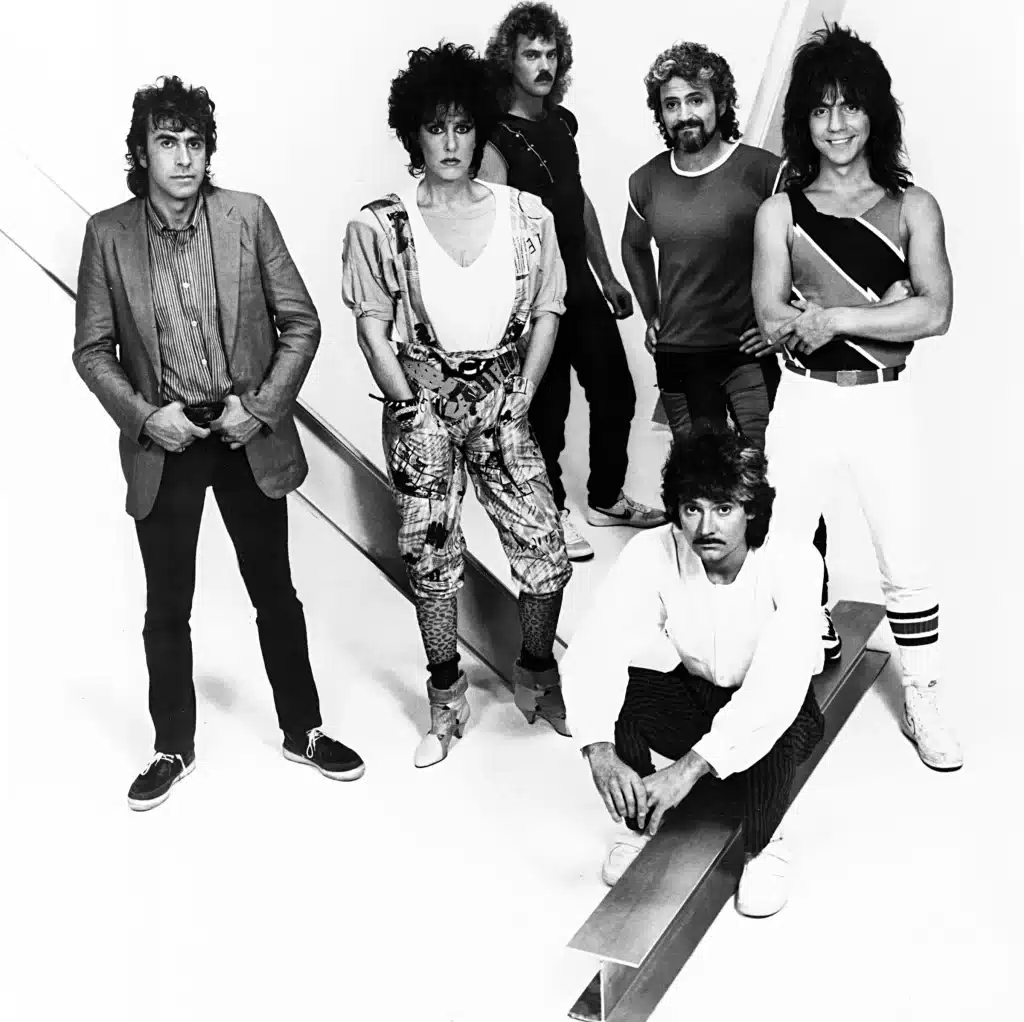
In 1974 she and Paul Kantner, the father of her daughter, launched Jefferson Starship. By 1985 the band had shortened its name to Starship, and that year “We Built This City” went to No. 1 when Slick was 46, which Parade reported broke an age record Tina Turner had set for women atop the Hot 100 only a year earlier. “Nothing’s Gonna Stop Us Now” followed it to the top in 1987.
She has never warmed to the first one. “There isn’t a city built on rock’n’roll!” she told The Guardian.
The second one turned out to be useful. When Chick-fil-A licensed “Nothing’s Gonna Stop Us Now” for a 2017 Grammy-night ad, Slick explained in a Forbes op-ed that she would give every dollar to Lambda Legal, the LGBTQ rights group, a move reported by Rolling Stone and Stereogum. By then she had been off the stage for more than 25 years, and she had a blunt reason for that too.
Why Did Grace Slick Walk Away From Rock at 50?
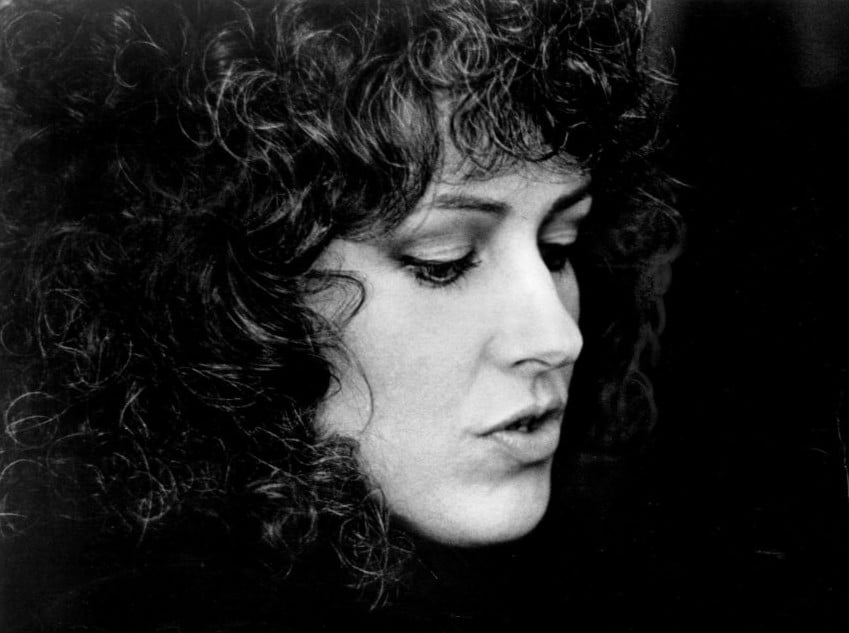
After a 1989 Jefferson Airplane reunion, Slick retired from music the next year. “All rock-and-rollers over the age of 50 look stupid and should retire,” she said on VH1 in 1998. That same year, promoting her memoir Somebody to Love?, she told CBS News, “There is something, to me, that looks really weird about old people on a rock ‘n’ roll stage.” She was still saying it at 73. “I don’t like old people flapping their wrinkles around on stage,” she told CBS San Francisco in 2013.
She traded the microphone for a paintbrush, and since 2000 she has shown and sold canvases from her home in Malibu, many of them white rabbits and Alice. “I will paint for a couple of months straight, all day, all night,” she told The Guardian.
Her daughter, China Kantner, born in 1971, became an MTV VJ and actress, and the same interview says China now works as a hospital chaplain. “She is just an amazing person,” her mother said. Slick recovered from a 2006 bout of diverticulitis that kept her in an induced coma for two months, and in 2016 she accepted Jefferson Airplane’s Grammy Lifetime Achievement Award. None of those honors, though, gets told as often as the day she stood in line at 1600 Pennsylvania Avenue.
What Happened When Grace Slick Reached the White House Gate?
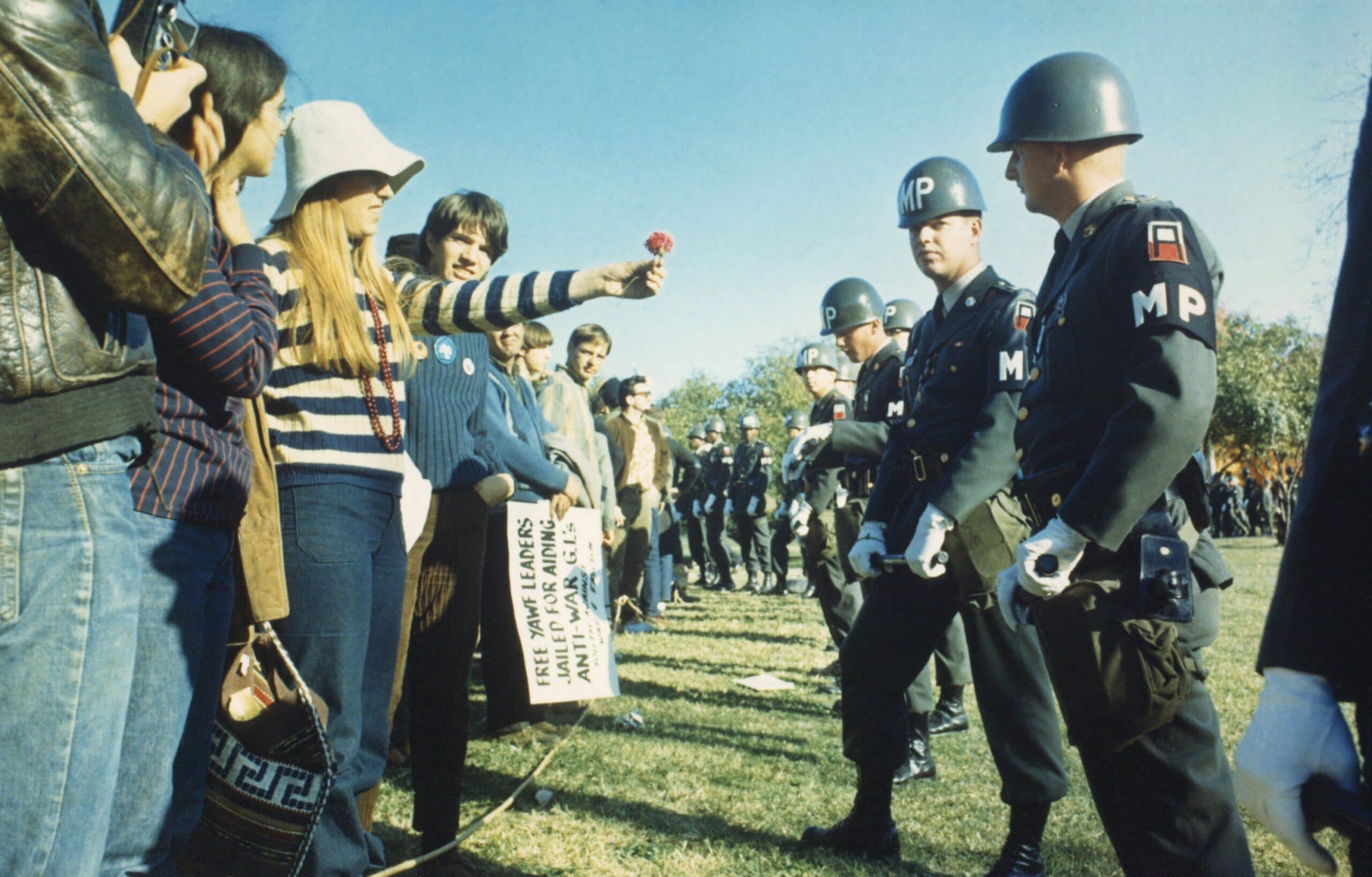
The tea was set for April 24, 1970, by Abbie Hoffman’s own account. Hoffman had just come out of the Chicago Seven conspiracy trial, so Slick dressed him for the part. “We put a suit on him and put his hair back and he looked like a mafia guy,” she recalled in Jeff Tamarkin’s band history Got a Revolution!. She wore boots and a miniskirt. The acid would ride under a long fingernail.
“When talking to Nixon, I was going to put my hand in my pocket, scoop it in my fingernail then wave my hand over his tea cup,” she told Relix. “He would have been talking about the walls melting,” she added to CBS San Francisco. “We just laughed just thinking about it.”
They never got past the line. “While in line being checked by guards, one said we couldn’t go in because I was on a security list,” she told Relix, which she believed was because of her lyrics. In Tamarkin’s book, she remembered the security men coming straight over to say, “Sorry, this is invitation only.”
“Well, I have an invitation!” she protested, and they turned her away anyway. The president, as Ultimate Classic Rock and WETA both note, had never planned to attend his daughter’s alumnae tea. Slick has had more than 50 years to think about the guard who stopped her, and she still gives him the last word. “He was right,” she said. “He didn’t know why, but he was right.”