

On February 20, 1979, Sally Field sat down beside Johnny Carson on The Tonight Show with a new movie to promote and a can hidden in her purse. She was 32 and starring in Norma Rae, and she had spent two years as the girlfriend of Burt Reynolds, one of Carson’s closest friends. Reynolds had coached her on exactly how to handle the host, and Carson’s reaction to his plan is still being replayed nearly half a century later.
People revisited the moment this week, and it comes at a tender time to look back. Field, born November 6, 1946, is 79 and two weeks from her 80th birthday, and she has been talking about Reynolds again, from how he first called her to the career fights she has said he wanted her to lose. Before the couch and the can, though, there was a phone call she never saw coming.
Why Was Sally Field So Shocked When Burt Reynolds Called?
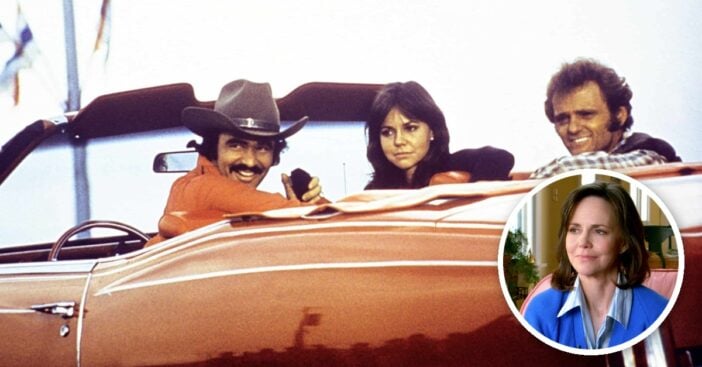
In 1976, Field had just finished playing a woman with 16 personalities in the TV movie Sybil, a performance that would win her an Emmy but was anything but glamorous. So when Reynolds phoned to offer her the female lead in a car-chase comedy called Smokey and the Bandit, she could not make sense of it. “I was so shocked that he would call me,” she recalled on Turner Classic Movies’ Talking Pictures podcast in June. “He couldn’t have seen Sybil, because boy, I look really like a very mentally ill person in it.”
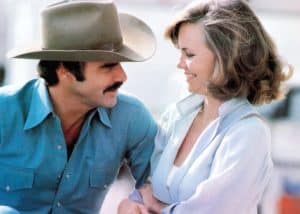
He hadn’t. “I just always liked you in Gidget,” Reynolds told her. She took the part of Carrie, the runaway bride he nicknamed Frog, and Smokey and the Bandit became one of the biggest hits of 1977. While making it, the two fell for each other, and the romance carried them through The End and Hooper in 1978 and Smokey and the Bandit II in 1980.
What Did She Later Write About Those Years?
Off screen, it was more complicated. In her 2018 memoir In Pieces, Field wrote about how small she had made herself inside the relationship, and she described it plainly to NPR that September. “I was only with him for about three years, and then maybe two years on-and-off after that,” she told host Ari Shapiro. “But it was so hugely important in my own existence, my own movement as a person.”
She did not blame him alone. “He was a preformed rut in my road, and I couldn’t see it coming, and I didn’t know how to get out,” she said, adding that she “had been carefully trained to fall into this pattern” long before she met him. Her summary of the pair was almost affectionate in its honesty: “Yeah, we were a perfect match of flaws.” She had worried that the book would hurt him, but he never got the chance to read it.
The Regret Burt Reynolds Never Stopped Talking About
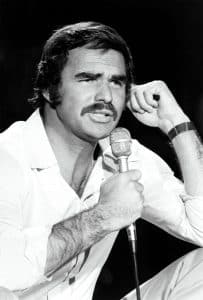
Reynolds spent his last years saying out loud what he had not managed to say while they were together. In 2015, promoting his memoir But Enough About Me, he told Vanity Fair that Field was the love of his life and that he missed her terribly. A year later he was blunter with the Daily Mail: “I did four movies with Sally and spent five years with her. She was the love of my life and I screwed the relationship up.”
He was still saying it in March 2018, when Today asked who the love of his life had been. “I would say Sally,” he answered, as ET reported. “Yeah, Sally Field.” Reynolds died on September 6, 2018, at 82, less than two weeks before her book reached stores. When Diane Sawyer asked Field on ABC about his devotion, her answer held both sides of the story. “I was always flattered when he said that,” she said. “But he was a complicated man.” That complicated man was also the one who sent her out to meet Johnny Carson with a plan.
What Happened When Sally Field Reached Into Her Purse?

With Ed McMahon and fellow guest Buddy Hackett looking on, Field explained that Reynolds had given her a list of do’s and don’ts, starting with no compliments, because flattery made Carson squirm. She broke that rule at once, telling him he had been her childhood treat on nights she got to stay up late, and Carson winced at sounding old.
Then she produced a can of shaving cream. Reynolds’ other piece of advice had been pure Burt: she could do anything she wanted to Carson, because a woman that small and sweet left him no way to fight back. “I mean, there’s nothing you can do,” she told him as she dabbed foam onto his ear. “I’m short, I’m cute, I’m all of that.” When Carson leaned in with cream on both ears and asked, “Whatcha say?”, she added a dollop to his nose. “Look at that reaction,” she said. “Johnny, you’re a smash tonight. You’re a smash.”
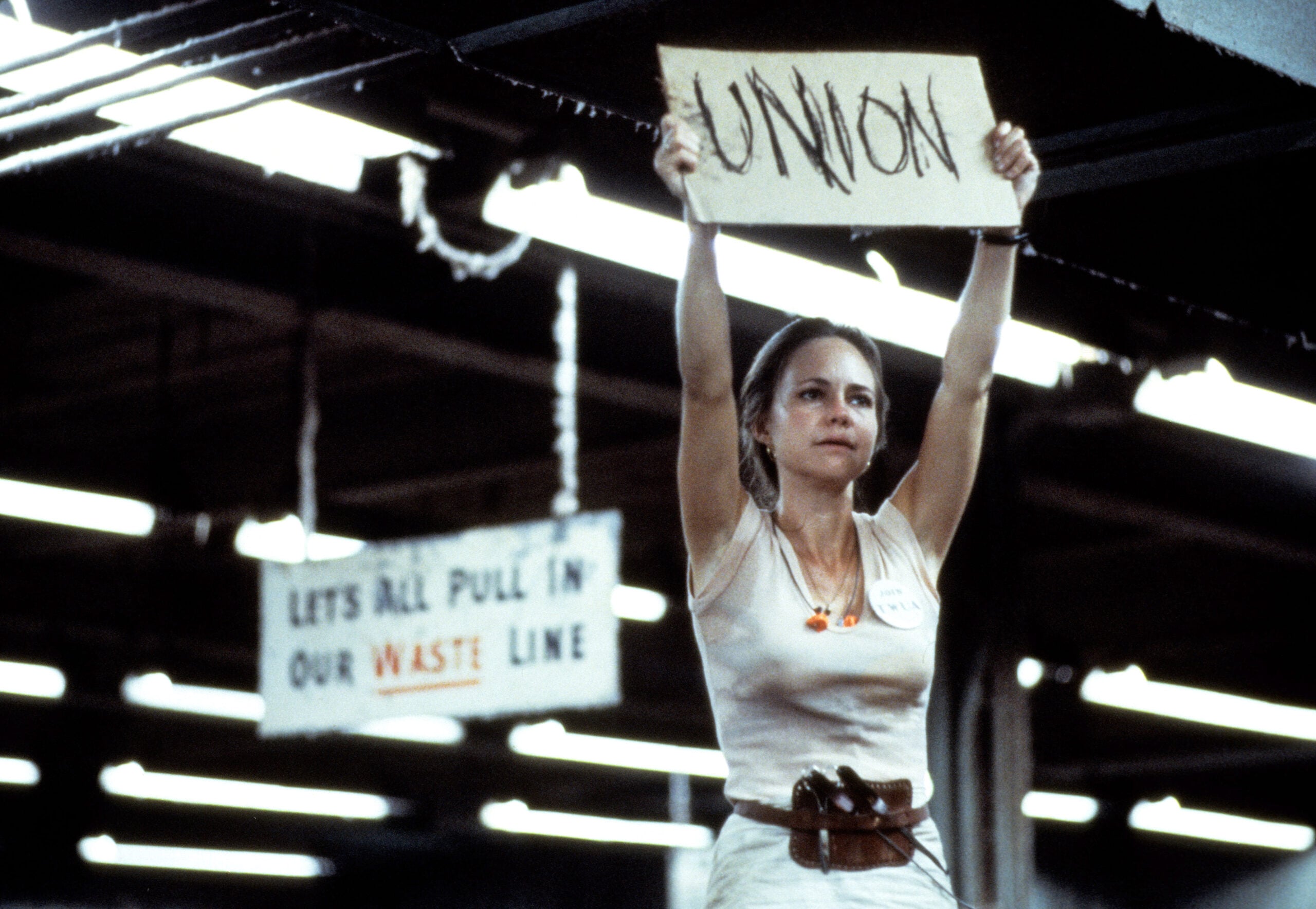
Carson wiped his ears with a tissue, took the can and walked around his desk. “Burt may have misinformed you,” he said, and he went to work, spraying foam down the front of her blouse and into her hair while the studio audience roared and both of them gave in to laughing. That May, Norma Rae would carry her to Best Actress at Cannes and, the next spring, to her first Oscar. That night, though, she was the girl who had trusted Burt’s advice and ended up wearing it.
On the day he died, Field put out a short statement through the Associated Press, and it read nothing like a settled score. “There are times in your life that are so indelible, they never fade away. They stay alive, even forty years later,” she wrote. “My years with Burt never leave my mind. He will be in my history and my heart, for as long as I live. Rest, Buddy.”