


Game shows have long held a special place in television history, offering audiences a familiar blend of competition, suspense, and entertainment. Among the most recognizable are Wheel of Fortune and Jeopardy!, two programs that have defined the genre for decades while building loyal fan bases across generations—complete with plenty of friendly ribbing along the way.
Recently, the conversation around Wheel of Fortune and Jeopardy! took an unexpected turn. A comment from host Ken Jennings brought fresh attention to the long-standing comparison between the two shows. According to The Daily Beast, his remarks sparked discussion not just among fans, but also among those familiar with how these productions operate behind the scenes.
‘Wheel of Fortune,’ Jeopardy!,’ and the Debate Over Difficulty
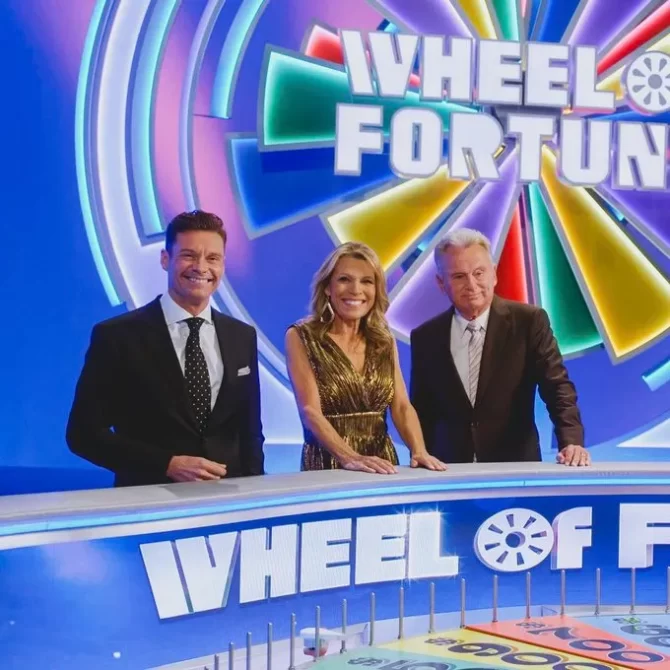
Jennings raised eyebrows when he pointed out what he believes separates the two shows, particularly in their celebrity versions. He explained that Celebrity Jeopardy! requires contestants to have a strong grasp of trivia, making it harder to cast participants who can perform at a high level.
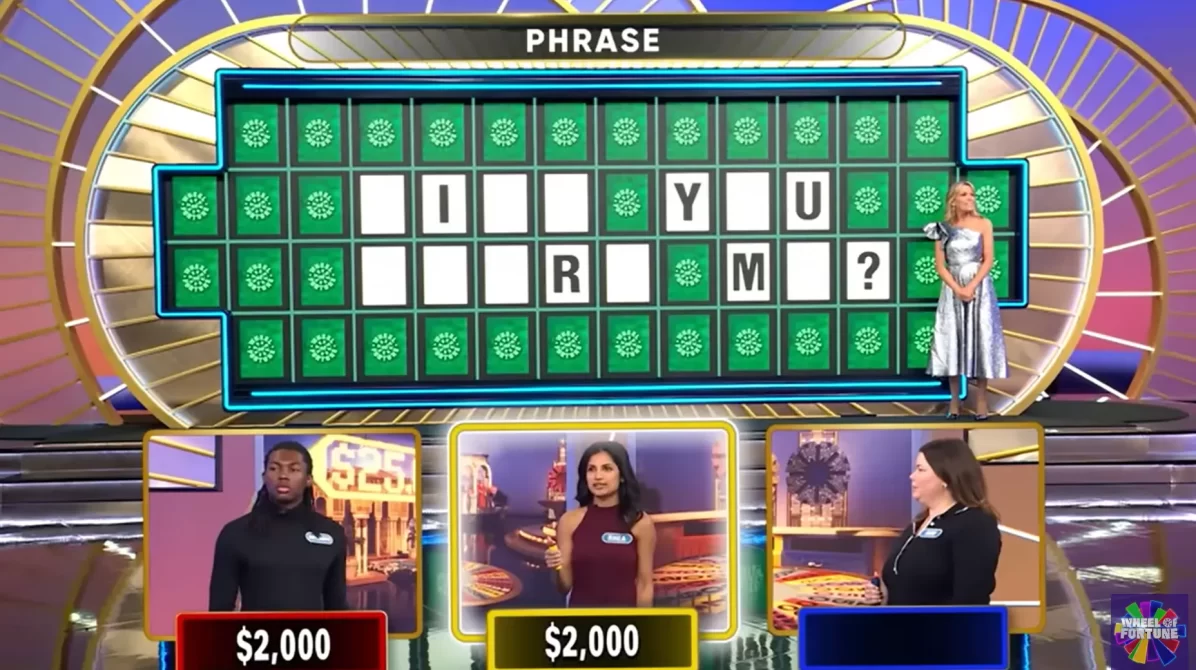
He delivered the comment with humor, but the message carried weight. While Wheel of Fortune focuses more on word puzzles and chance, Jennings emphasized that his show demands quick thinking and deep knowledge. That distinction, he suggested, creates a different kind of challenge for both contestants and producers trying to assemble a competitive lineup.
A Lighthearted Rivalry With Lasting Appeal

Despite the comparison, the moment reflects more of a playful rivalry than a serious divide. Both shows continue to succeed because they offer distinct experiences. One invites viewers into a fast-paced guessing game, while the other tests memory and intellect in a more direct way.
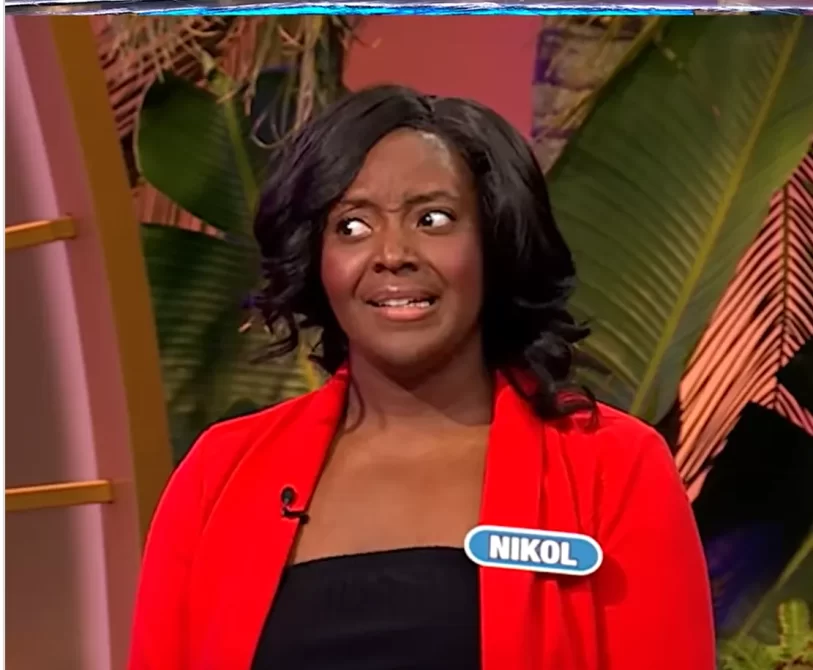
The Wheel of Fortune and Jeopardy! discussions ultimately highlight how these shows remain relevant after so many years. Audiences still engage with them, not just as entertainment but as cultural staples that spark conversation. Whether through friendly jabs or ongoing comparisons, their place in television history remains firmly intact—and just as engaging as ever.