
For decades, Pamela Anderson defined a certain kind of Hollywood glamour. Her signature look—bold makeup, blonde waves, and striking confidence—became instantly recognizable during her rise to fame in the early 1990s. It was an image that shaped public perception and, for many, set the standard for a particular era of beauty.
But in recent years, Pamela Anderson has taken a different path—one that feels quieter, more personal, and unexpectedly powerful. According to Women.com, her decision to step into the spotlight without makeup has sparked a wider conversation about authenticity, aging, and redefining what beauty truly means.
Pamela Anderson And The Shift To A Bare-Faced Look
View this post on Instagram
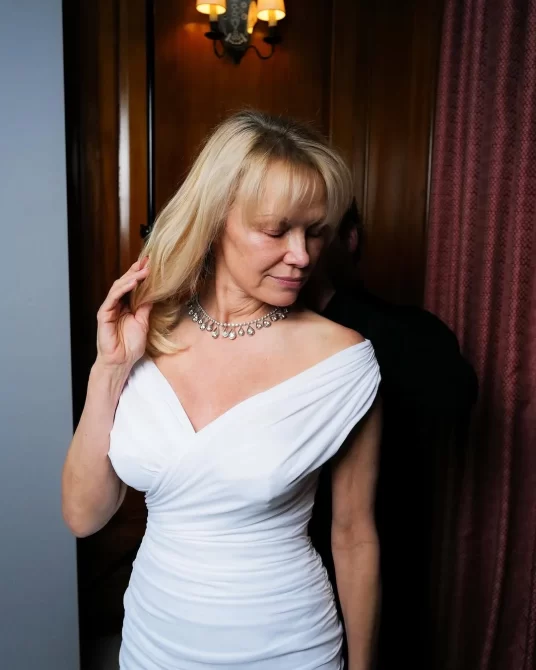
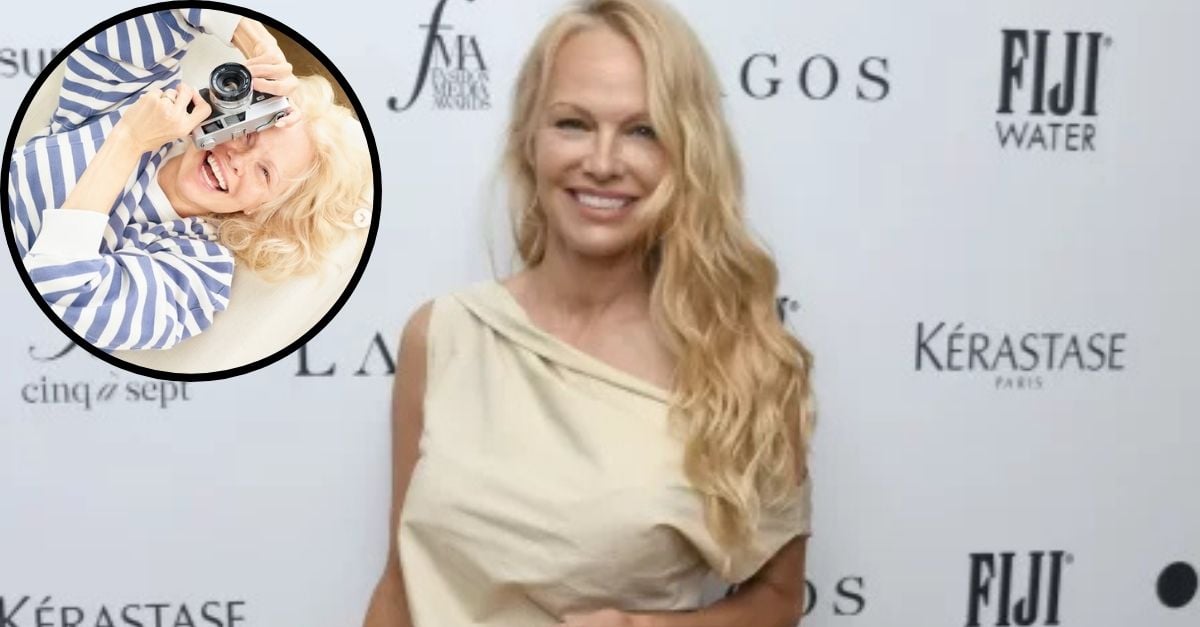
The change became most visible during appearances where she chose to go completely makeup-free, allowing her natural features to take center stage. Campaign images and public outings showed a version of her that felt both familiar and entirely new—unfiltered, relaxed, and self-assured.
Rather than relying on cosmetics, she turned her focus toward skincare, embracing a routine built around simplicity and consistency. The results spoke for themselves, with many noting the radiance and ease she carried. This shift signaled not just a change in appearance but a deeper move toward self-acceptance.
Redefining Beauty On Her Own Terms
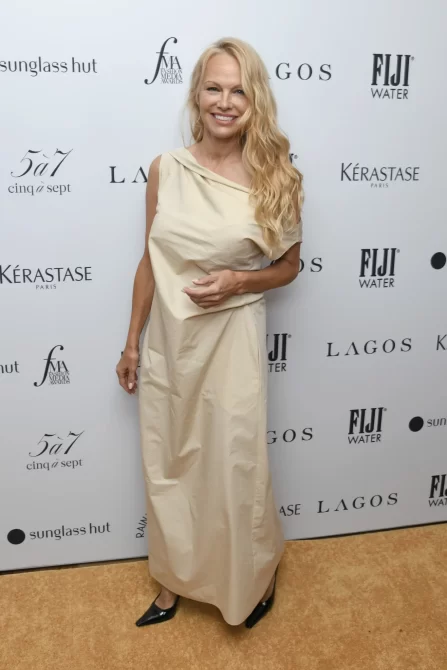
What makes this transformation especially meaningful is the intention behind it. Pamela Anderson has openly reflected on moving away from the image she once created, describing it as a version of herself that no longer felt authentic. Letting go of that persona allowed her to reconnect with a more grounded sense of identity.
The response from fans has been overwhelmingly supportive, with many seeing her choice as both refreshing and empowering. In a culture often focused on perfection, her approach offers something different—a reminder that confidence can come from embracing change rather than resisting it. Through this evolution, she continues to influence how beauty is understood, proving that reinvention can be just as impactful as legacy.