

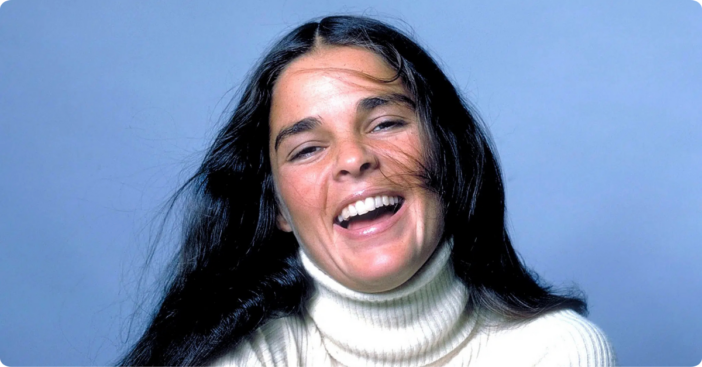
Few stars captured the spirit of 1970s cinema quite like Ali MacGraw. With her natural presence and emotional depth, she stood out in a time when Hollywood began shifting toward more intimate and character-driven storytelling. Audiences did not just watch her performances—they felt them, and that connection helped define an entire era of film.
Now, as Ali MacGraw reaches another milestone, her legacy continues to resonate with both longtime fans and new audiences discovering her work. According to Parade, her influence remains unmistakable, especially through films that shaped the tone of romantic storytelling for decades. Her career may have taken a quieter path later on, but the impact she made has never faded.
Ali MacGraw’s Rise To Stardom In The 1970s
Her path to stardom did not begin on a movie set. She first worked in the fashion world, building her experience behind the scenes before stepping into modeling and eventually acting. That transition came at the perfect moment, as Hollywood audiences started embracing performances that felt more real and less theatrical.
Everything changed with Love Story. Starring opposite Ryan O’Neal, she brought a quiet strength and vulnerability to the role of Jenny Cavilleri. The film became a cultural phenomenon, earning her a Golden Globe and an Academy Award nomination. More importantly, it set a new standard for romantic dramas, one that many films would follow in the years ahead.
A Lasting Influence Beyond The Spotlight
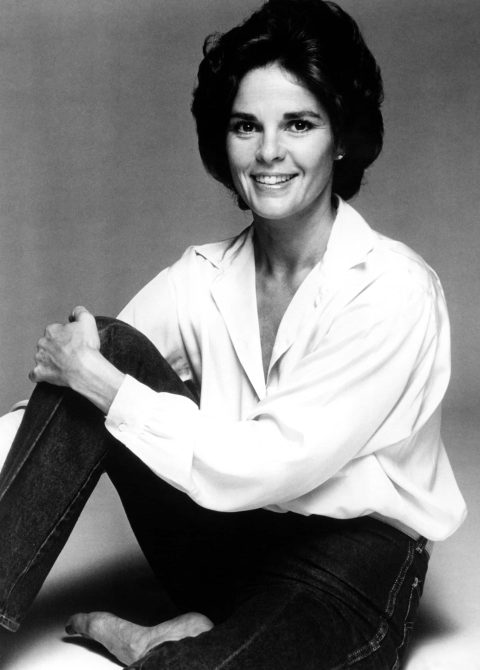
Her success carried into other projects, including The Getaway, where she further proved her versatility. At the same time, her personal life kept her in the public eye, especially her relationship with Steve McQueen. Their story added to her mystique, blending Hollywood glamour with real-life complexity.
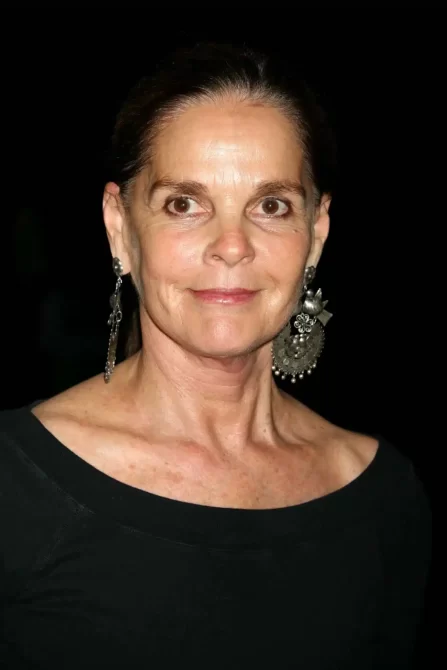
Eventually, she chose to step away from the spotlight and live life on her own terms. Yet her absence never diminished her presence in film history. Ali MacGraw remains a symbol of authenticity in an industry that often changes with time. Her performances continue to feel relevant, reminding audiences of a period when storytelling focused on emotion, connection, and truth. Even today, her work stands as a testament to the power of simplicity. It shows that lasting impact does not always come from constant visibility but from moments that stay with people long after the screen fades to black.