

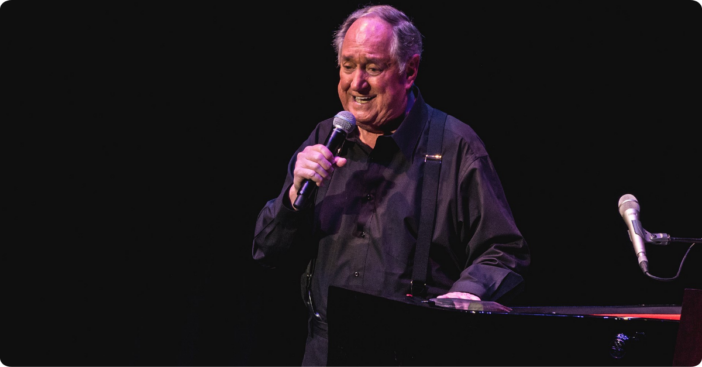
The news of Neil Sedaka’s passing marked the end of an era for fans who grew up with his timeless melodies. For decades, his voice carried across generations, offering songs that felt both deeply personal and widely shared. As tributes poured in, many reflected on the quiet consistency that defined his remarkable career. With his death at 86, questions surrounding Neil Sedaka’s cause of death quickly followed.
According to Fox News, officials have now confirmed the cause of death, bringing clarity after initial uncertainty. The beloved singer-songwriter died on February 27, leaving behind a legacy shaped by resilience, reinvention, and a deep connection to music that never seemed to fade, even as the industry around him evolved.
Health Details Offer Clarity On Final Days
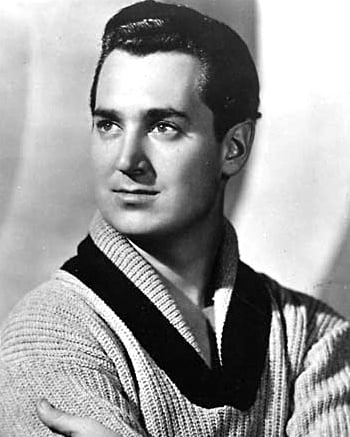
Medical reports identify the cause as atherosclerotic cardiovascular disease, with kidney failure listed as a contributing factor. This condition develops over time as fat and cholesterol build up in the arteries, gradually restricting blood flow and increasing the risk of serious complications. It is often a silent progression, which makes its impact all the more significant when it reaches a critical stage.
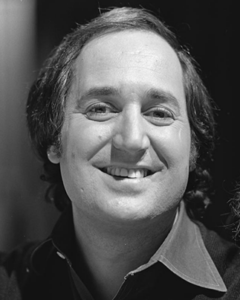
Authorities also confirmed that emergency responders rushed Sedaka to the hospital on the morning of his passing, underscoring how quickly the situation unfolded. For many longtime fans, these details provide a clearer understanding of the challenges he may have faced privately, away from the spotlight that defined much of his life.
A Lasting Legacy Beyond The Headlines
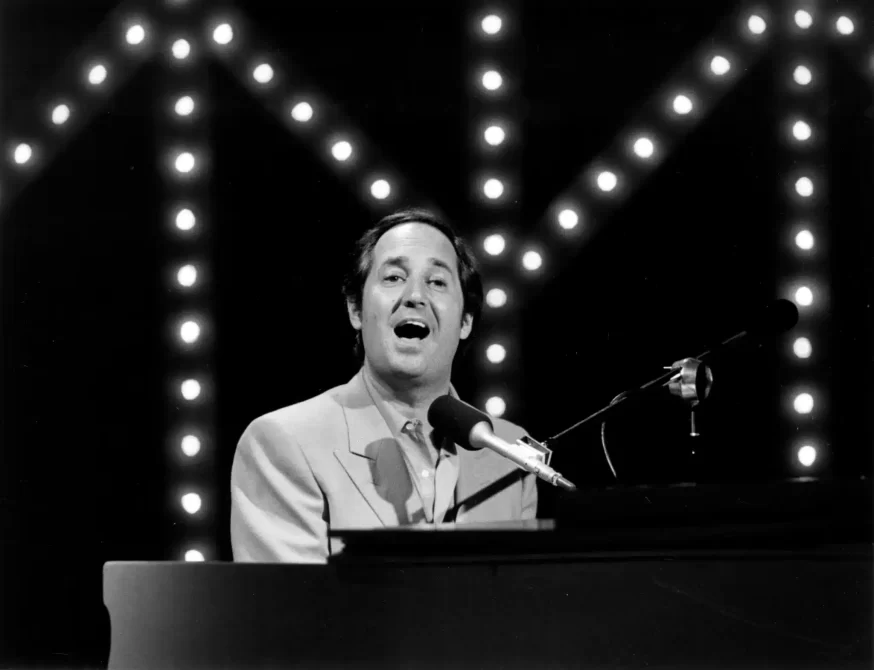
While the Neil Sedaka cause of death explains the circumstances of his passing, it also invites reflection on the extraordinary life he lived. Rising to fame in the late 1950s and 1960s, Sedaka delivered enduring hits like “Oh Carol” and “Breaking Up Is Hard to Do,” helping to shape the sound of early pop music.

He later adapted to shifting musical trends and found renewed success in the 1970s with support from Elton John. Even in his later years, Sedaka remained committed to his craft, once describing his work as a lifelong gift. His influence continues to resonate, reminding listeners that true artistry does not fade with time.