

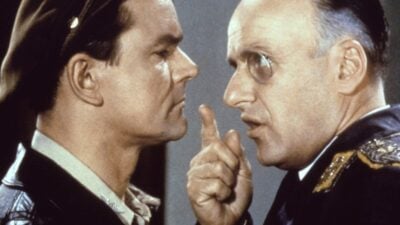
For six seasons on Hogan’s Heroes, Colonel Wilhelm Klink polished his monocle, bragged that no prisoner had ever escaped Stalag 13 and lost every single week. That was no accident of the writers’ room. Werner Klemperer, the actor under the Luftwaffe cap, made it a rule. “I had one qualification when I took the job,” he later explained, as The New York Times recalled in his 2000 obituary. “If they ever wrote a segment whereby Colonel Klink would come out the hero, I would leave the show.”
He said much the same to the Pittsburgh Post-Gazette, in words the Associated Press quoted when he died: “If ever a segment was written where Colonel Klink is the winner, I would leave the show.” So the short answer is that Klink never won because the man playing him would not allow it, and the reason he cared so much goes back to the country his family had to leave.
A Conductor’s Son Who Fled Germany
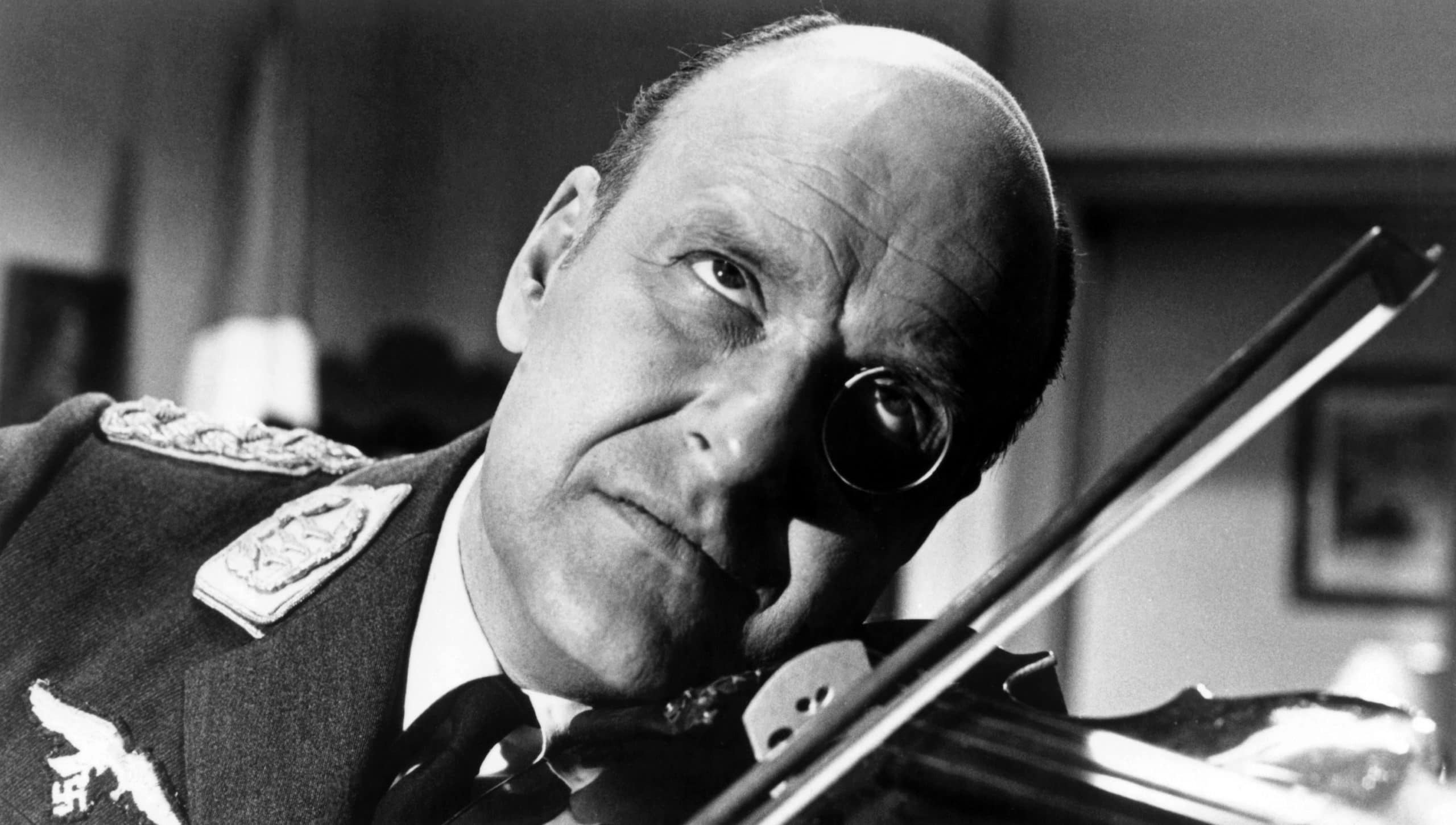
Werner Klemperer was born March 22, 1920, in Cologne, the son of Otto Klemperer, one of the great conductors of the century. The family was Jewish, and in the 1930s they escaped Nazi Germany for Los Angeles, where Otto led the Los Angeles Philharmonic. Young Werner grew up around music but never pictured himself holding a baton. “One does not simply say, ‘I want to be a conductor’ and then pick up a baton and conduct,” he told syndicated columnist Harvey Pack in 1966.
He served in the U.S. Army during World War II, entertaining troops in the Pacific with a Special Services unit, and came home to build a career as a stage and screen actor. Hollywood kept handing him German officers. In 1961 he played the title role in Operation Eichmann and a Nazi defendant in Judgment at Nuremberg, and he took those parts seriously. “I wanted to be a part of a picture that could serve as a reminder of the horrifying world we lived in,” he told the Hearst Headline Service that year, “a world that mustn’t be permitted ever again.”
Why A Refugee Agreed To Wear The Monocle
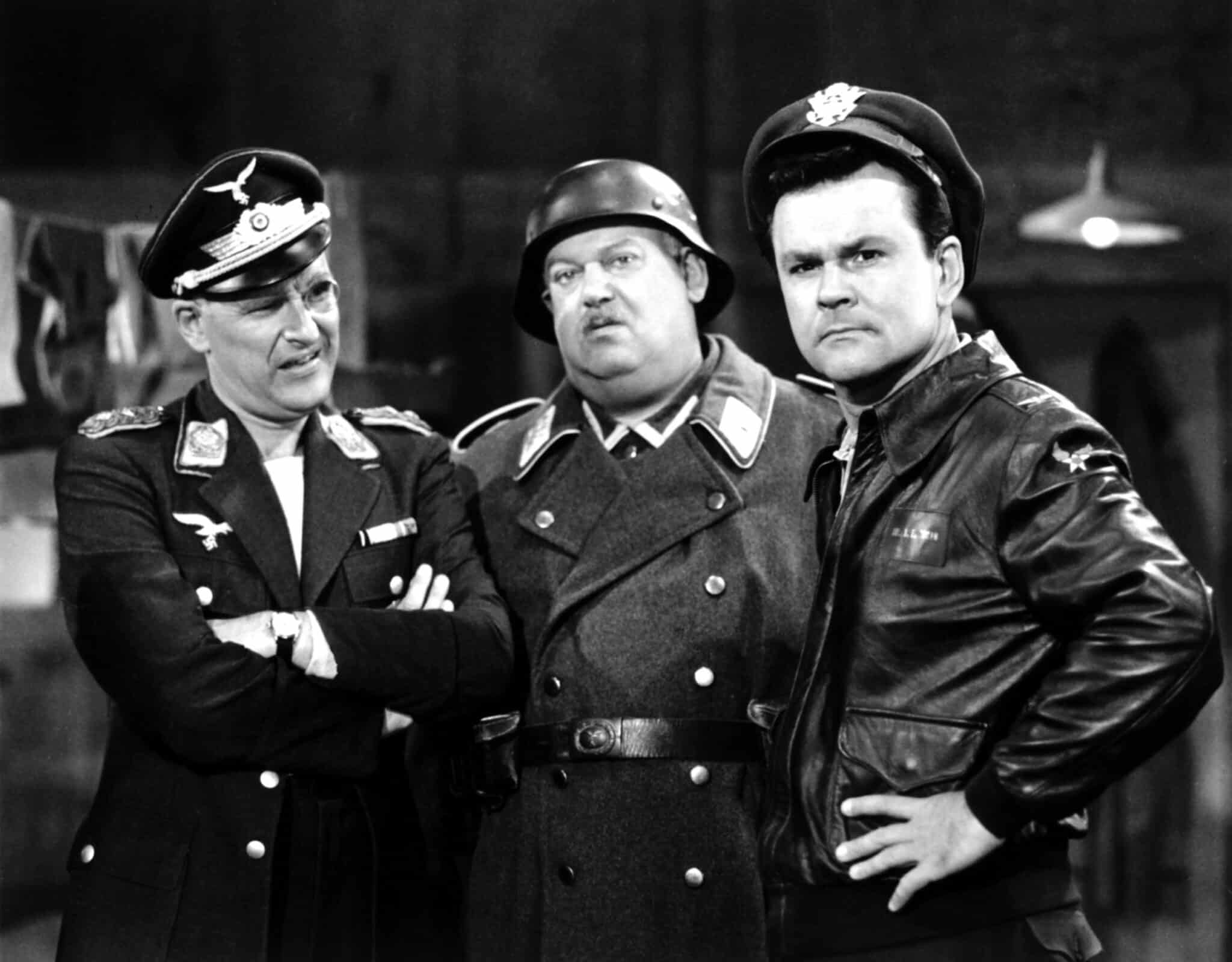
When CBS put Hogan’s Heroes on the air on September 17, 1965, plenty of viewers wondered how anyone could make a comedy out of a German prison camp. Klemperer’s answer was the character himself. A Klink who won would have been a Nazi officer the audience was invited to root for. A Klink who always lost was a vain, frightened little bureaucrat that a room full of Allied prisoners could run in circles, and that was a joke he was willing to tell.
“The show was never intended to be viewed in a serious light,” he said in 1999, according to the Times. He called it “a funny show, a wonderful show, and I’m very proud of it.” His wife, Kim Hamilton Klemperer, told the paper the role cut both ways, because “he sometimes felt he was too identified with that character.”
What Six Seasons Of Losing Looked Like
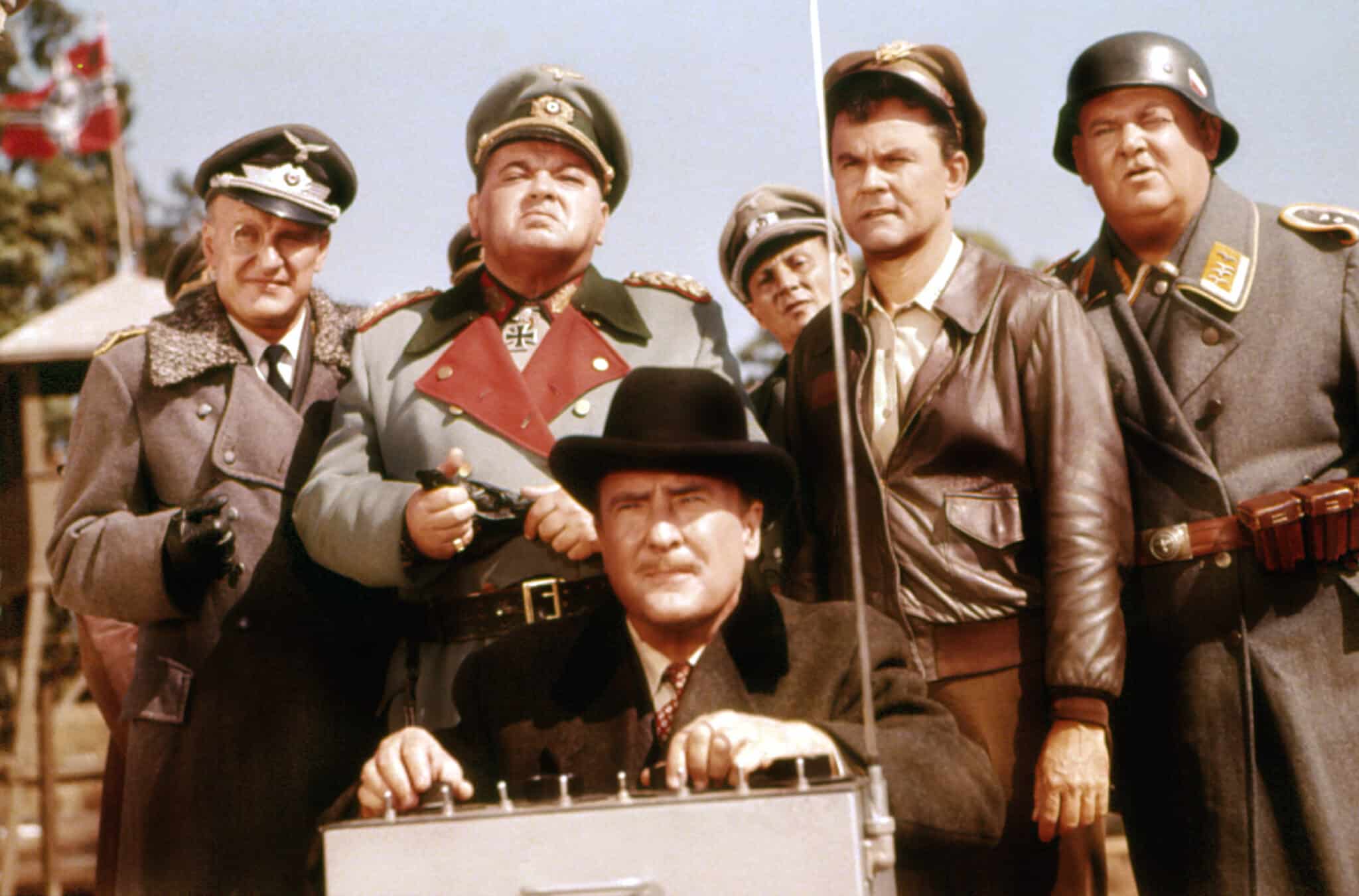
If you watched the first time around, you know the pattern. Klink’s proudest boast was his spotless record, with no successful escapes from Stalag 13 on his watch. The record held only because Colonel Hogan and his men kept slipping out through their tunnels to blow up bridges and then slipping back in before roll call. Hogan needed Klink in charge, since a smarter commandant might have found the tunnels, and the prisoners spent whole episodes protecting the man they were fooling.
The humiliations piled up from there. Klink sawed proudly at a violin he could barely play. Whenever General Burkhalter came to inspect the camp, the colonel shrank under threats of the Russian Front and the general’s favorite order, “Shut up, Klink!” Klemperer believed the trick was to play all of it straight. “Klink must be believable even while being constantly duped by the prisoners,” he told Pack in 1966. “If both the Germans were pure comedians, there would be nothing laughable about the clever antics of Hogan and his men.”
The Cast Behind The German Uniforms

Klemperer was hardly alone in that camp. John Banner, the round, gentle Sergeant Schultz of “I know nothing!”, was born to Jewish parents in the old Austro-Hungarian Empire and was touring Switzerland with an acting company in 1938 when Germany annexed Austria. He never went home, made his way to America and served in the U.S. Army. Asked how he felt about playing a German soldier, Banner gave an answer the Jewish Telegraphic Agency has repeated ever since: “Who can play Nazis better than us Jews?”
Leon Askin, the bullying Burkhalter, fled Vienna after the Nazis took power, and his parents were murdered in the Holocaust. Howard Caine, who played the shouting Gestapo man Major Hochstetter, was an American born Howard Cohen. The show was created by Bernard Fein and Albert S. Ruddy, both Jewish as well. On the prisoners’ side of the wire, Robert Clary, who played the French corporal LeBeau, had survived Buchenwald as a teenager after most of his family died at Auschwitz. He saw no conflict at all. “Stalag 13 is not a concentration camp,” he said in his Television Academy interview. “It’s a POW camp, and that’s a world of difference.”
Clary was the last of the main cast when he died in November 2022 at 96, and our look at the Hogan’s Heroes cast members who are no longer with us tells each of their stories.
The Prize Klink Never Got, But Klemperer Did
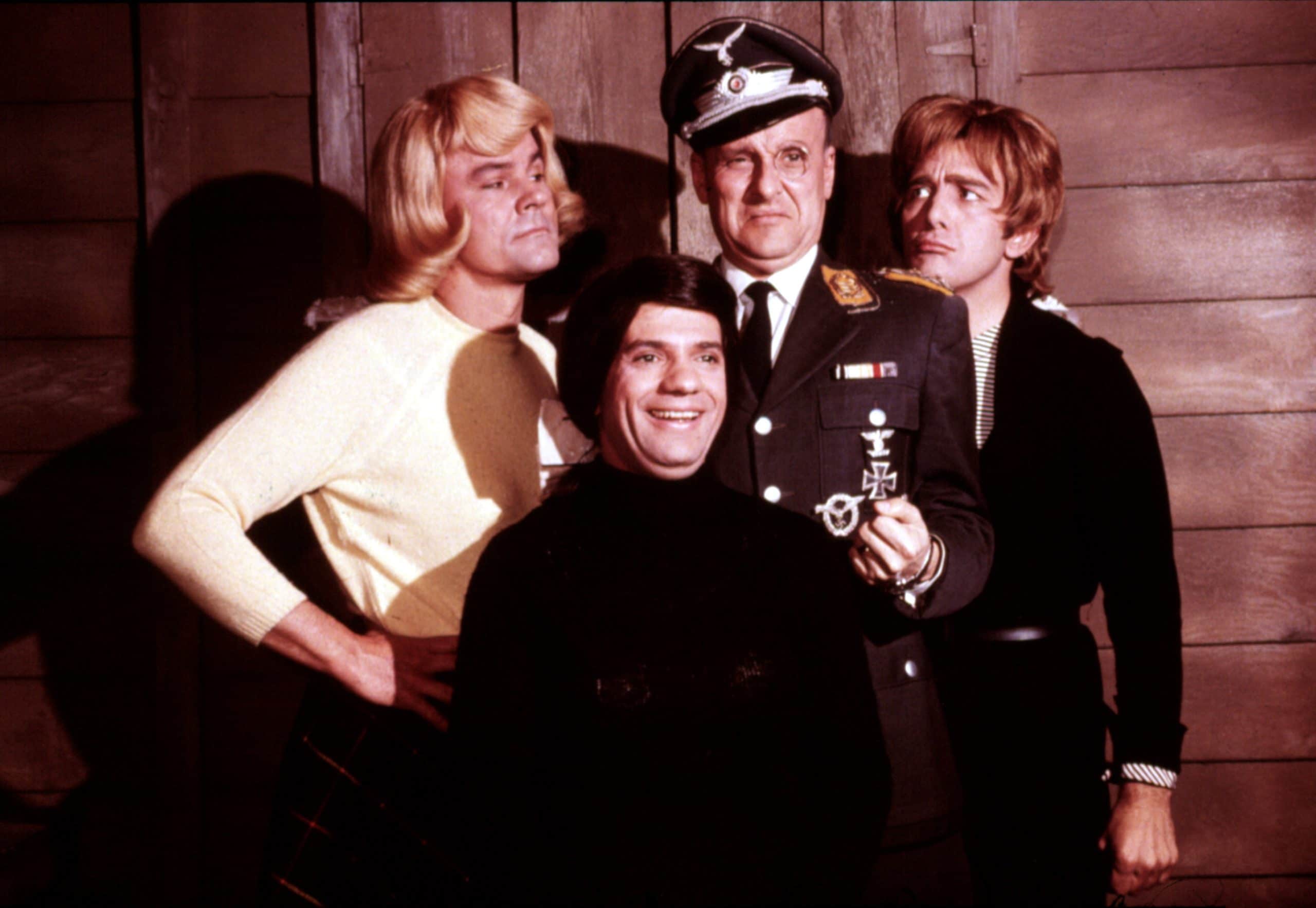
The colonel lost every round, and the actor kept winning. Klemperer was nominated for an Emmy five years in a row for playing Klink and won Outstanding Supporting Actor in a Comedy Series in 1968 and 1969. The show ended its run on April 4, 1971, after 168 episodes, and Klemperer went back to the stage, earning a Tony nomination for the 1987 Broadway revival of Cabaret. He even put the monocle back on in 1993 to voice Klink as Homer’s guardian angel on The Simpsons. His father, who lived until 1973, caught a few episodes in Switzerland and “found it very amusing,” Klemperer told interviewer Bruce Duffie in 1985.
Klemperer died of cancer at his Manhattan home on December 6, 2000, at age 80. Years earlier he had described the man he spent six seasons making a fool of as “a little greedy, a little pompous, a little vain and a little insecure,” and he never seemed to resent how long that colonel followed him around. “I am quite sure that the role of Colonel Klink will be with me for a long, long time,” he told the Associated Press in 1987, “and I’m proud and happy about that.”




 The Only ‘What’s Happening!!’ Cast Members Still Alive Today