

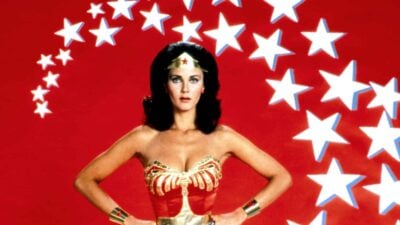
When Wonder Woman returned to television in September 1977, she had supposedly been gone from Washington for 35 years, and she hadn’t aged a day. Lynda Carter, now 75 and one of the surviving Wonder Woman cast members, was still in the red, white and blue, and Lyle Waggoner was still at her side. Everything else had changed, including the network, the decade and the title, which was now The New Adventures of Wonder Woman on CBS.
The jump from ABC to CBS is one of the odder moves in 1970s television, because the show wasn’t a flop. It was a hit pilot that one network couldn’t figure out how to keep and another wanted badly enough to rebuild. Carter, her producer and Waggoner all talked about what happened, and Carter had a firm view of her own.
How A World War II Pilot Made Lynda Carter A Star
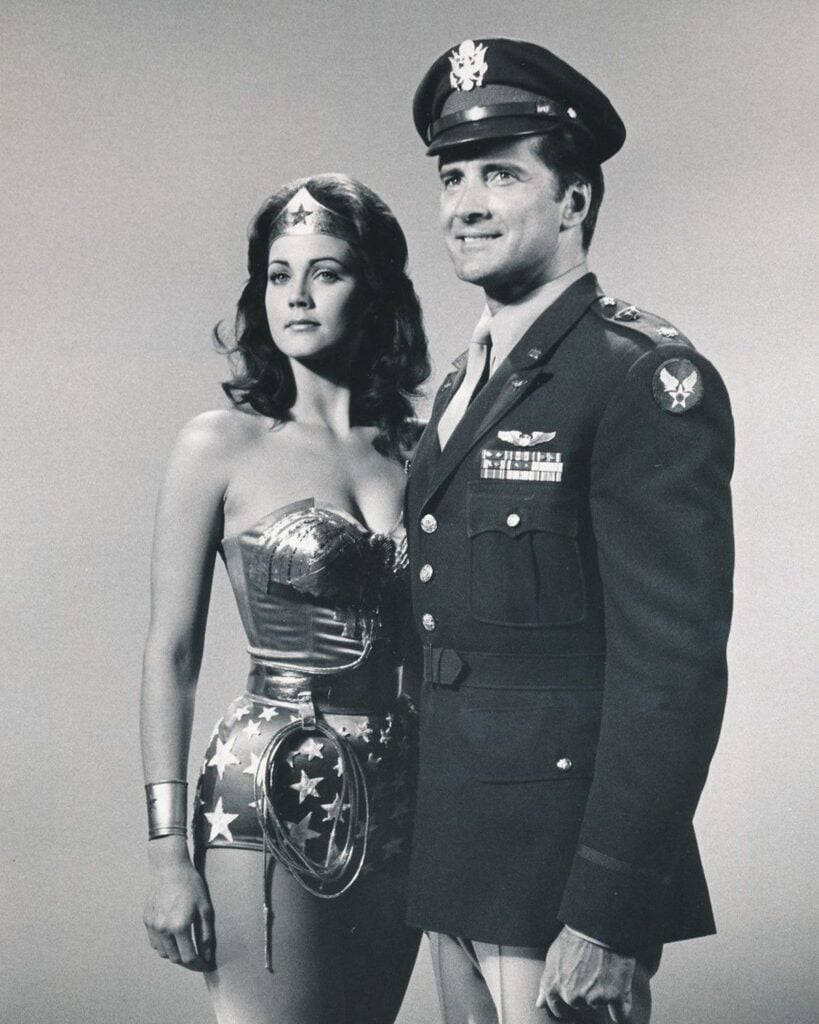
It started on November 7, 1975, when ABC aired The New Original Wonder Woman, a TV movie set in 1942. Carter was a former Miss World USA from Arizona with only a handful of small TV roles behind her, and not everyone at the network was sold. “There were those at ABC,” executive producer Douglas S. Cramer told the writer Herbie J. Pilato for a 1999 Starlog retrospective, “who felt that Lynda could not have carried a show of her own.” Cramer wasn’t one of them. “She was so far ahead of any other actress up for the role,” he said.
The pilot also gave the show its signature move. The producers needed a way for Diana Prince to become Wonder Woman on camera, and Carter, who had trained as a dancer, offered a spin. “I invented Wonder Woman’s spin,” she told Entertainment Weekly in 2005, adding that the explosion of light was put in later. The Television Academy’s 40th anniversary tribute credits the spin to her as well.
The ratings were strong, and that is where the trouble began.
Why ABC Couldn’t Commit To A Period Show
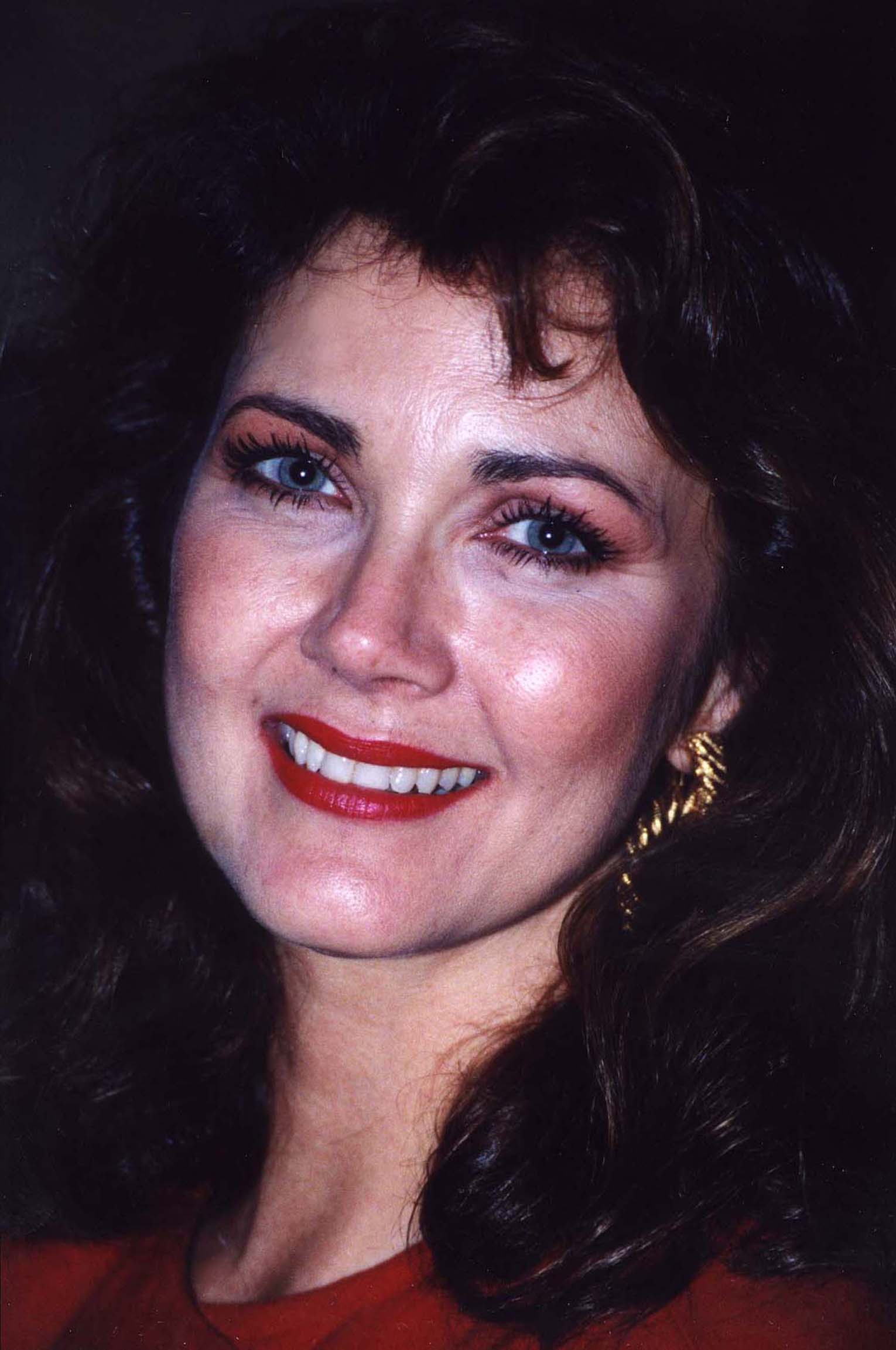
ABC never treated Wonder Woman like a regular series. After the pilot, the network ordered two one-hour specials that aired in April 1976, followed by 11 more episodes in the 1976 and 1977 season. As the Television Academy recounted in 2016, some aired on Saturdays and others filled in for The Bionic Woman on Wednesdays while Lindsay Wagner recovered from an injury.
The 1940s setting was the sticking point. Every car, uniform and set had to look like wartime, which made each hour expensive to produce, and the villains kept coming back to the same enemy. “They believed the WWII storylines were too limiting,” Carter told Starlog, “with the only major villains being the Nazis.” By spring 1977, ABC still hadn’t committed to a full second season. If you watched in those years, you may remember never quite knowing when Diana would turn up next.
The CBS Deal That Turned Steve Trevor Into Steve Trevor Jr.
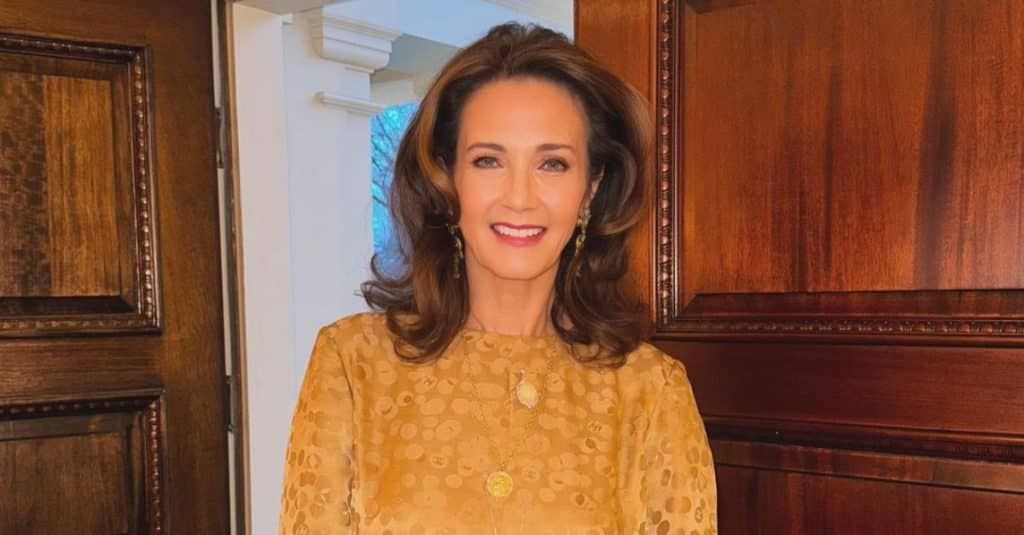
Warner Bros. Television, which made the show, found a buyer across town. According to Pilato’s account, studio president Jerry Leider took the idea of moving the story forward in time to CBS, and CBS bought it. Cramer admitted he was nervous at first. “It was a fresh approach,” he said, “which CBS thought would reach a wider audience.” Carter saw the creative upside. “They thought if we took it into the 1970s, there would be more to explore, from a creative standpoint,” she said.
The New Adventures of Wonder Woman premiered on CBS on September 16, 1977, with “The Return of Wonder Woman.” Diana came back from Paradise Island after her 35-year absence to work for a government agency called the IADC, and the producers solved the Waggoner problem with a neat trick. The original Steve Trevor had risen to general and died during those decades, so Waggoner was cast as his look-alike son, Steve Trevor Jr.
Waggoner went along with it but never loved it. “I just think the show would have stayed on a lot longer if they had left her fighting Nazis,” he told Starlog. Carter came to see it the other way. “I think I was much better in the part when it was modernized,” she has said. Waggoner, who later built his fortune on the Star Waggons trailer business, died at home on March 17, 2020, at 84, with his wife Sharon at his side, Variety reported.
What Lynda Carter Wanted The World To Know
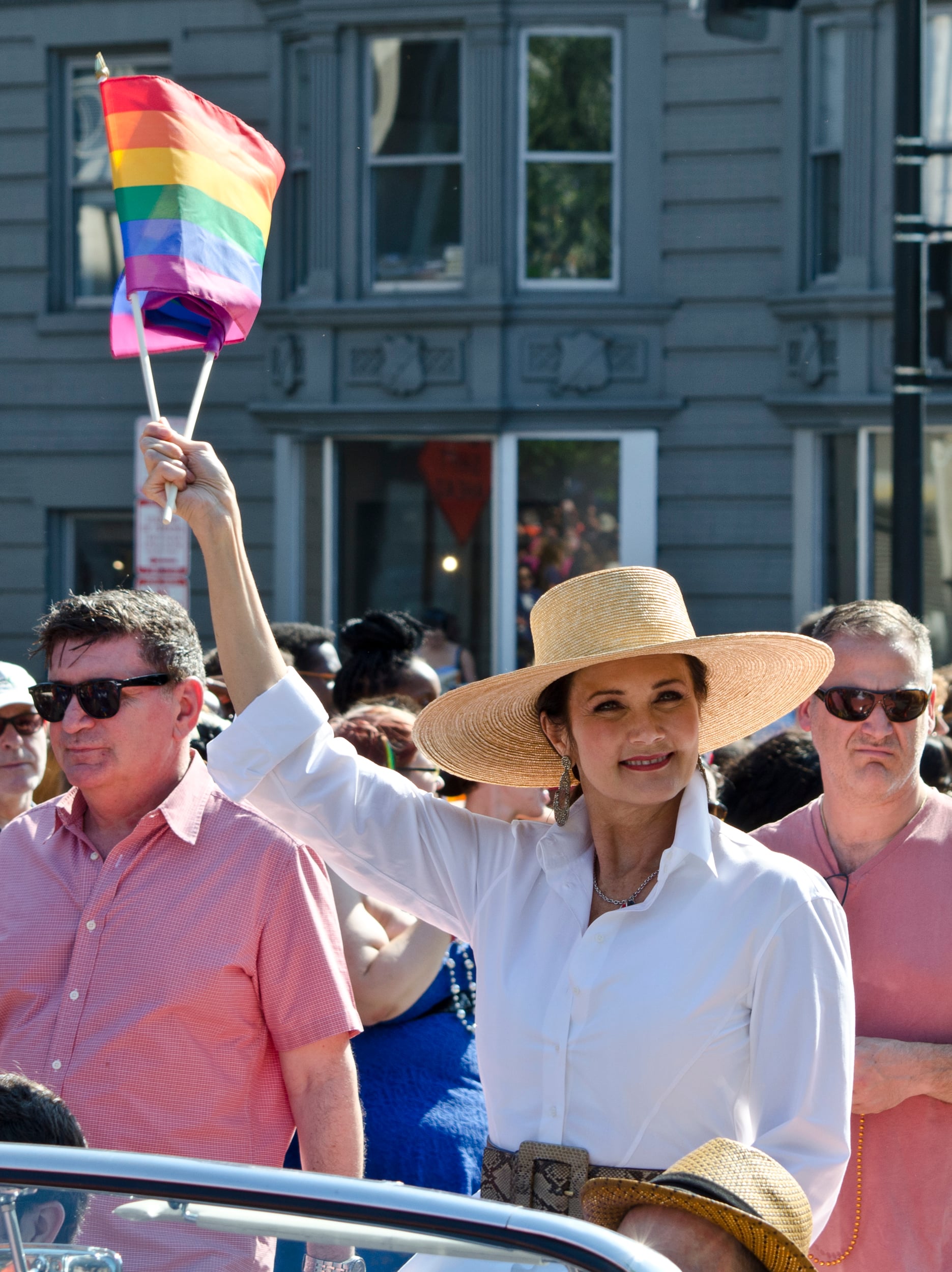
The move to CBS is usually remembered as ABC canceling the show, and even the Television Academy tribute says the network canceled it in spring 1977. Carter pushed back on that idea at the time. “I want to tell the world,” she told The Tampa Times in a story published September 23, 1977, “that ABC never canceled ‘Wonder Woman.'” ABC had ordered more specials, she explained. “But that was not nearly as attractive as 22 shows, every week, on CBS.”
The ABC version had never had a steady home on the schedule, and CBS was offering a full weekly season. “There will be more diversification,” she promised. The CBS run lasted two seasons, and the last episode, “The Phantom of the Roller Coaster,” aired on September 11, 1979. CBS simply didn’t bring it back for a fourth season.
She is still telling the story. In June 2025, the Television Academy Foundation recorded a two-hour interview with Carter in Potomac, Maryland, covering the time jump between seasons, working with Waggoner and how the series came to its end. She has carried on since losing her husband of 37 years, Robert A. Altman, who died of myelofibrosis on February 3, 2021, and she marked the show’s 50th anniversary with honors at the Smithsonian this year.
Through all three seasons and both networks, she played Diana the same way. “I played her for real, and totally straight,” Carter told Pilato for the Television Academy in 2016. “I did not play her with a wink.”

 Hal Linden, 95, Says The ‘Barney Miller’ Creator Was Right To End The Show, Even Though He Wanted To Keep Going