

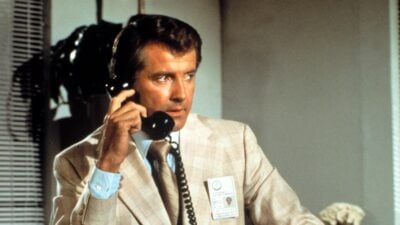
For seven seasons, Lyle Waggoner was the handsome man Carol Burnett pretended to swoon over every week on CBS. He read the announcements, he played the straight man in sketches, and he took the ribbing with a grin. In 1974 he walked away from one of the most popular shows on television, and plenty of people thought he had made a mistake.
He went on to play Steve Trevor opposite Lynda Carter on Wonder Woman, which kept his face on TV for four more years. But the decision that changed his life the most came from something he spotted between takes on that set, and it had nothing to do with acting.
How Did The Handsome Announcer Land The Job?
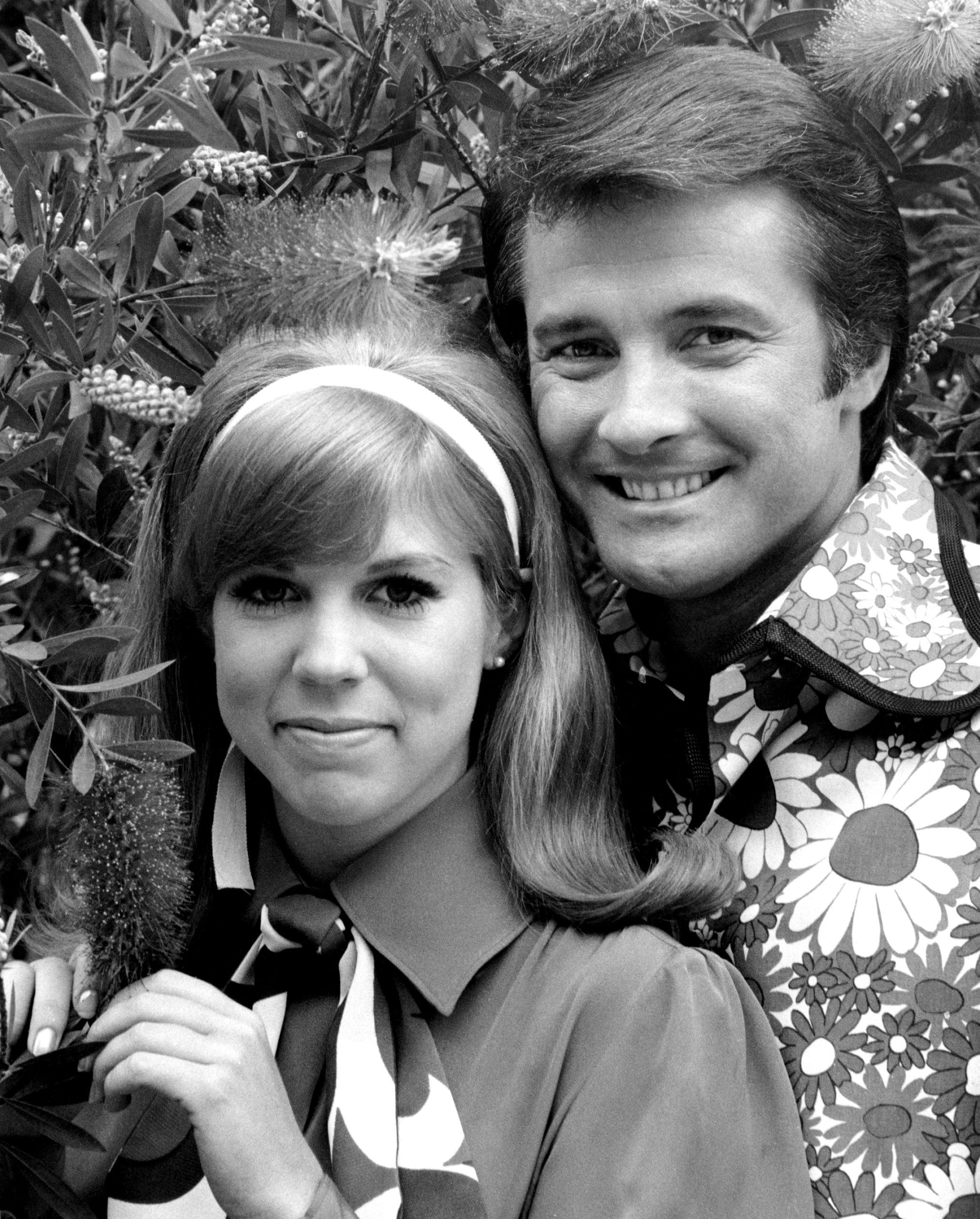
Waggoner was born in Kansas City, Kansas, on April 13, 1935, and by the mid 1960s he was a contract player at 20th Century Fox who had come close to a very different kind of fame. He was a finalist for the lead in the Batman series before the role went to Adam West, according to the Associated Press. A year later, Burnett was building her variety hour and wanted an announcer who looked good and could also be funny.
She remembered the moment he arrived in her 2010 memoir, This Time Together. “In walked Lyle Waggoner,” she wrote. “Gorgeous? Yes. But so much more. He was incredibly funny.” She added that “he had a sly, tongue-in-cheek delivery that told you he was putting himself on and not taking himself seriously.”
Waggoner had never announced anything before. “The gag was that I was the handsome announcer and kind of her love interest,” he told PBS’s American Masters, calling the show “my first big job.” Over time the writers pulled him into the sketches, and he sang and danced with Burnett, Harvey Korman and Vicki Lawrence. Korman, he said, “could do anything and everything.”
So why would anyone leave a job like that?
Why Did Lyle Waggoner Walk Away From Carol Burnett?
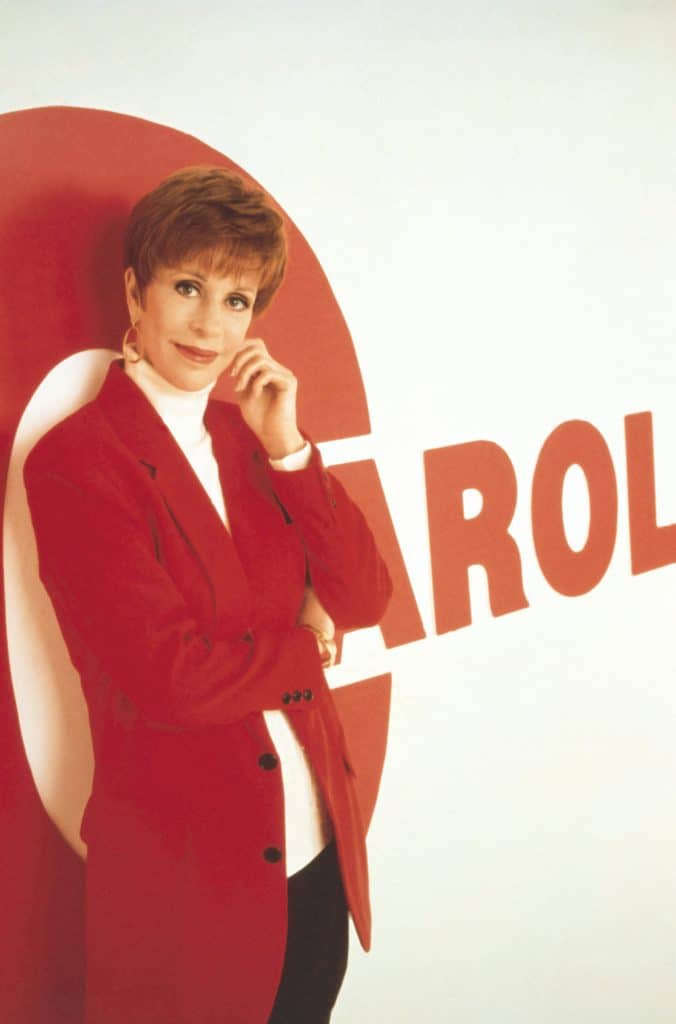
The usual explanation is that Waggoner wanted to be a leading man, and that was part of it. He had spent seven years as the good-looking foil, and he wanted roles where he was the hero rather than the punchline. His own explanation to American Masters was more practical. Variety shows rarely ran in reruns, he said, and he worried that all that work would simply vanish once the series ended.
He also never trusted television to last. “I was always looking for a backup because I knew the series; they don’t last forever,” he told CNBC in 2002, as quoted by the AP. “They can yank the rug out from under you at any time.”
There was no feud. Waggoner said Burnett was sorry to see him go and that her husband and producer, Joe Hamilton, understood. Tim Conway, already a frequent guest, eventually stepped into the regular cast, and Ernie Anderson took over the announcing. Waggoner’s exit came three years before Harvey Korman made his own break from the show, a move that turned out very differently.
For Waggoner, the next door opened quickly.
What Happened When He Became Steve Trevor?
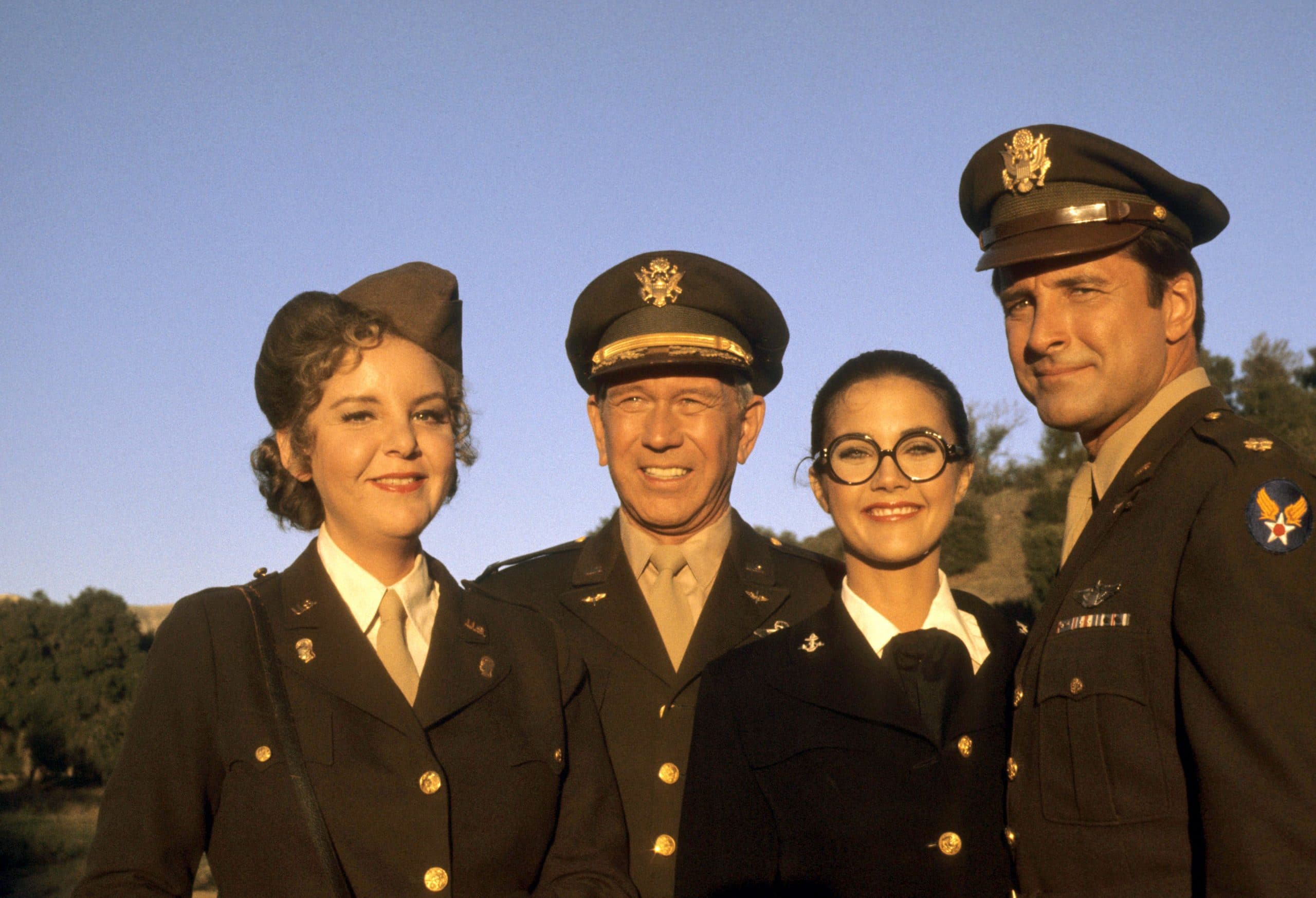
His agent sent him to audition for a superhero pilot, and on November 7, 1975, ABC aired The New Original Wonder Woman with Waggoner as Major Steve Trevor, the World War II pilot who crash lands on Paradise Island. When ABC balked at the cost of a period show, CBS picked it up in 1977 on the condition that it move to the present day. The writers solved the problem by having Waggoner play Steve Trevor Jr., the son of his original character.
That made him the only regular besides Carter to stay with the show through all three seasons, which ended in 1979. You can see how the rest of that cast fared in our look at the Wonder Woman stars still with us. Waggoner later said the move was a smart one, because Wonder Woman became exactly the kind of show his variety hour was not: one that reran for decades.
It was on that set, though, that he noticed the detail that would make him rich.
The Motor Home That Changed Everything
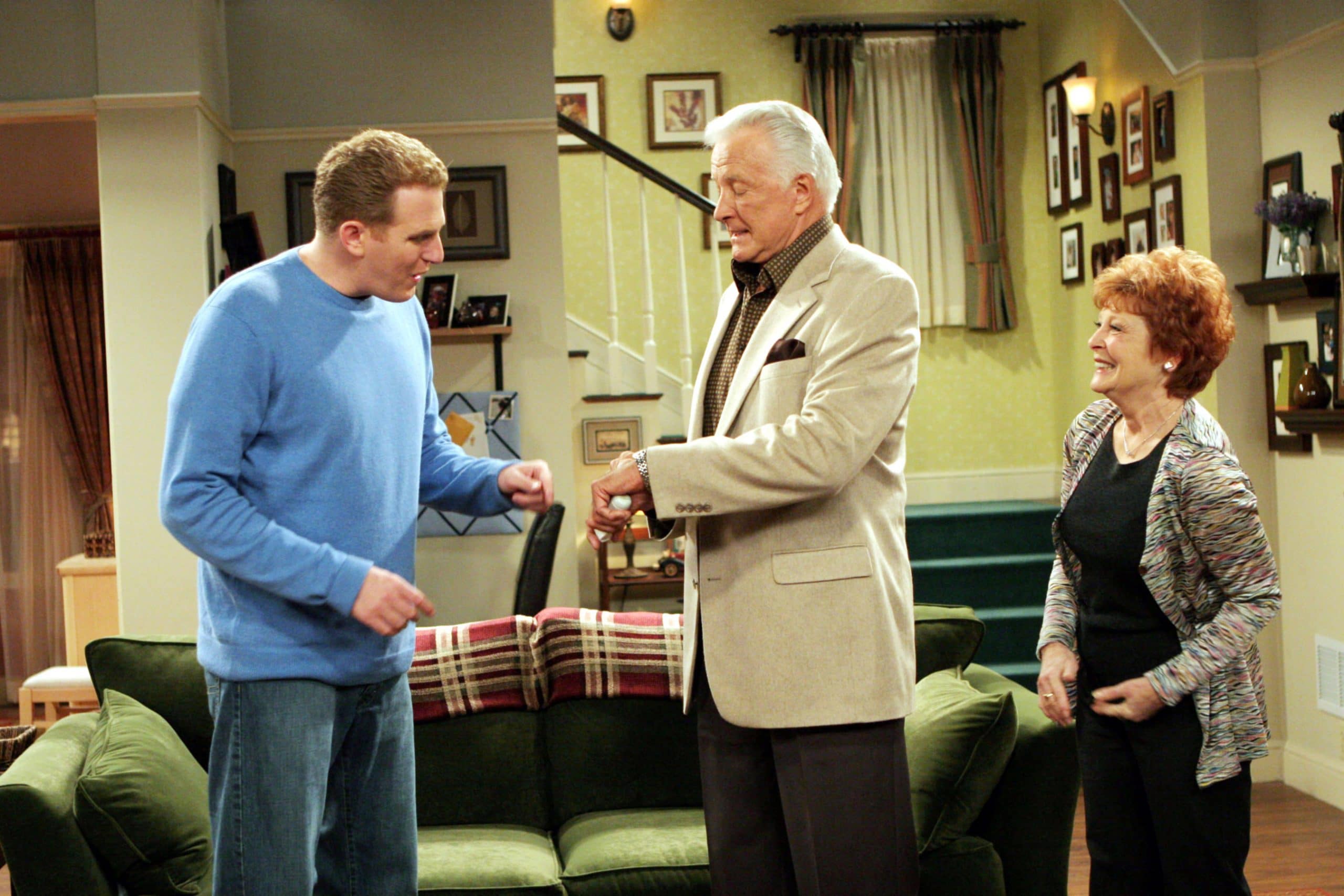
“Early in my career, they put us actors in a plywood room on wheels that could be rolled around the studio lot,” Waggoner told the Los Angeles Business Journal. “By the time I was on ‘Wonder Woman,’ they gave me a very nice motor home.” Then he learned the studio was renting it from a private owner in the San Fernando Valley.
“I asked the producers if they would consider renting a motor home from me if I owned one,” he recalled. They said yes. He bought one, then another, and a 1981 federal tax credit on business equipment made each new purchase cheaper. “I realized that if I bought a $50,000 motor home, I could knock $5,000 off my taxes,” he said. “I grew my business up to 90 motor homes as a result.”
He named the company Star Waggons, a play on his own last name, and by 1988 it had switched from motor homes to custom trailers built for stars, with leather chairs and satellite TV. “Our job is to spoil the actors,” he told the AP in 1998. The next generation of television stars spent their breaks inside trailers built by the man Carol Burnett used to swoon over.
Waggoner died of cancer at his home in the Los Angeles area on March 17, 2020, at 84, with Sharon, his wife of nearly 60 years, beside him. His sons Jason and Beau kept the business going, and on September 1, 2021, Hudson Pacific Properties announced it was buying Star Waggons along with a second production company, Zio Studio Services, for a combined $222 million. By then the fleet had grown to more than 650 units in Los Angeles, Albuquerque, Atlanta and Vancouver, and Jason Waggoner stayed on to run it.

 Redd Foxx’s First ‘Sanford And Son’ Exit Was Only The Beginning