

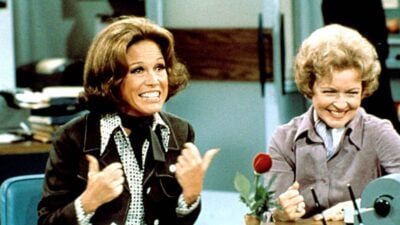
“Our research says American audiences won’t tolerate divorce in a lead of a series,” a CBS researcher told the two young writers sitting across the table, “any more than they will tolerate Jews, people with mustaches, and people who live in New York.” That is how author Jennifer Keishin Armstrong recounted the meeting in a piece for the Television Academy, and the writers on the receiving end were James L. Brooks and Allan Burns, who had just pitched the network a new sitcom for Mary Tyler Moore.
Their heroine was going to be a 30-year-old woman starting over in Minneapolis after a divorce. CBS said no, and the reason it gave left Brooks and Burns with nothing to say back. The Mary Richards who threw her hat in the air every week was the character they built in its place, and the divorce they wanted never fully went away.
Mary Tyler Moore’s Pitch Landed In A CBS Conference Room
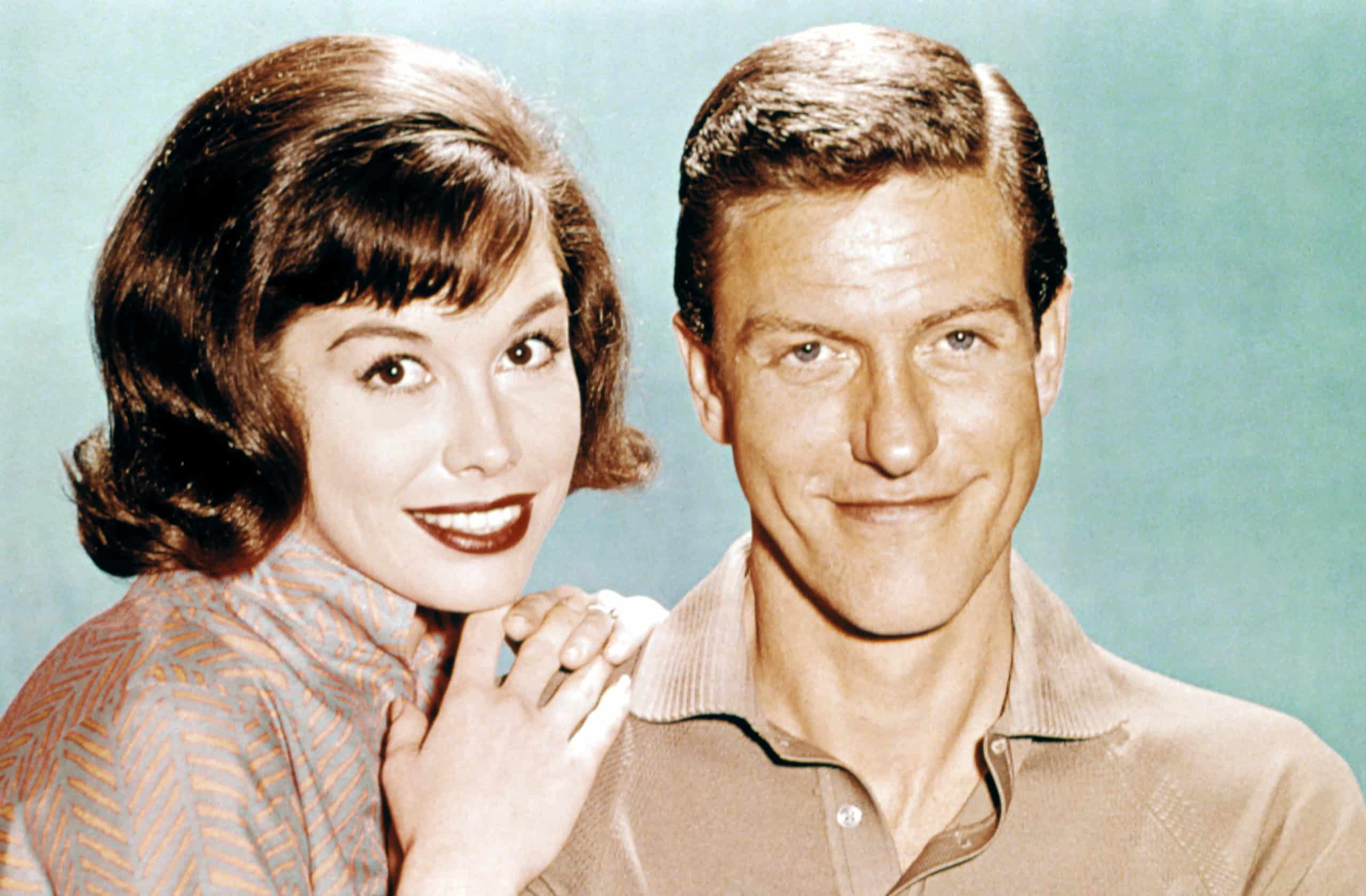
Moore and her husband, Grant Tinker, had hired Brooks and Burns to create a show for her through their new company, MTM Enterprises. She was 33 and best known as Laura Petrie, the capri-pants wife on The Dick Van Dyke Show, and the writers wanted to make her something TV comedy hadn’t really tried. Brooks later described Mary Richards as “an independent single woman, who had spent her life wanting to be a dependent married woman up until that point.”
Making her divorced was the cleanest way to get there, so the pair flew to New York to meet Mike Dann, the head of programming at CBS headquarters. “You want to divorce Mary?” Dann asked, according to Armstrong. “Yes,” they told him. “We want to divorce Mary.” Dann then brought in the man from research with the line about Jews, mustaches and New Yorkers. Burns told Armstrong the meeting “was like something straight out of Kafka.”
Burns went over the same scene years later for the Television Academy Foundation’s oral history, recorded in 2004, where the network’s warning came out as four things American audiences supposedly would not tolerate: people from New York, divorce, Jews and mustaches. Back in Los Angeles, CBS vice president Perry Lafferty put it more bluntly. “You cannot have Mary Tyler Moore divorced,” he told them. Brooks and Burns argued that divorced people were not “lepers,” but another executive raised the worry that really stuck. “The audience will think she divorced Dick Van Dyke!”
What Mary Tyler Moore’s Mary Richards Became Instead
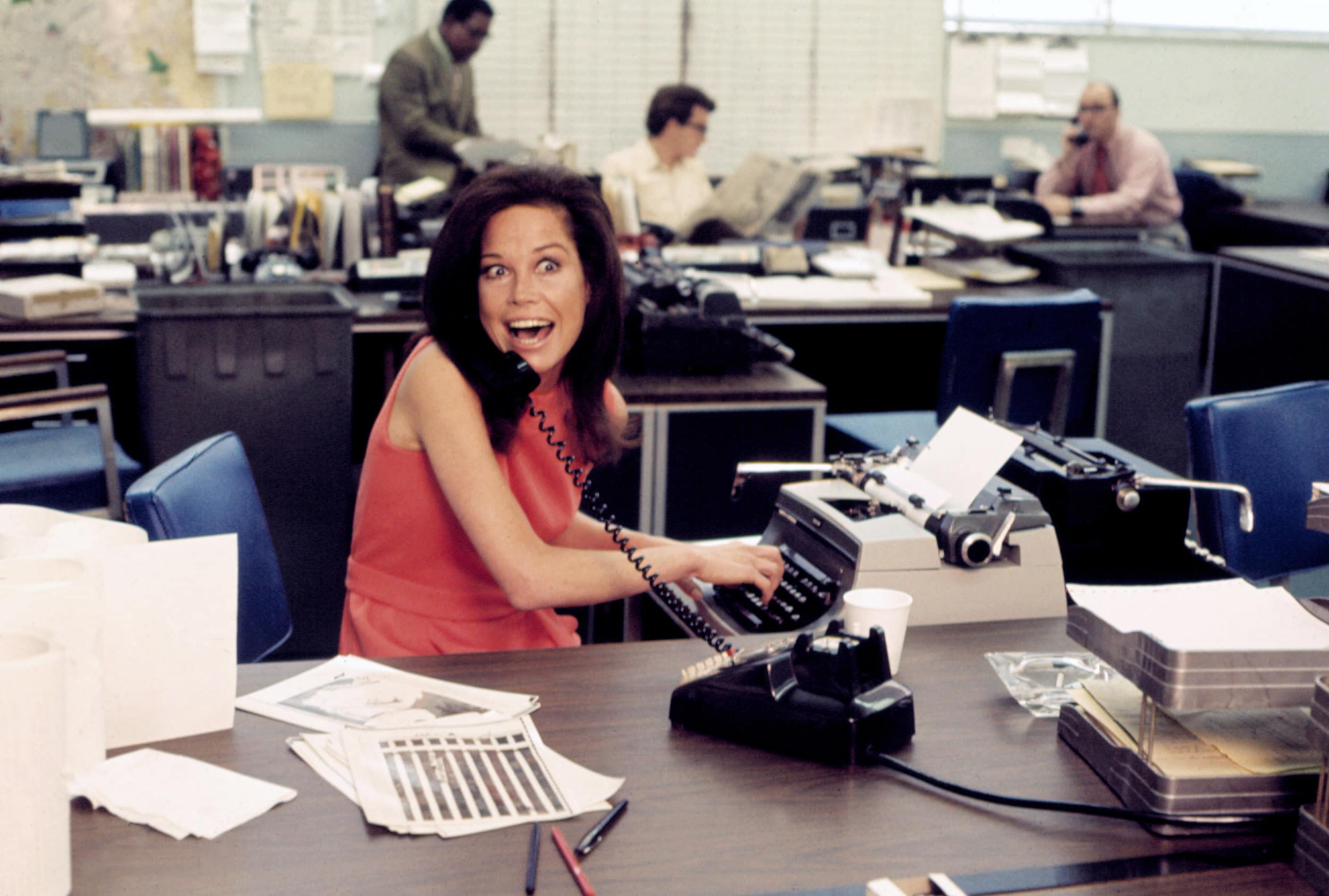
The writers went home and rebuilt the premise rather than lose the show. Mary would still be single and 30, but she would be getting over a long relationship with a man named Bill, who she had helped through medical school and who never got around to marrying her. When The Mary Tyler Moore Show premiered on September 19, 1970, with the pilot “Love Is All Around,” that breakup was what sent her to Minneapolis, a job at WJM-TV and a gruff boss named Lou Grant.
Brooks and Burns did not let the idea go quietly, either. Only three weeks later, on October 10, 1970, CBS aired “Divorce Isn’t Everything,” written by Treva Silverman, in which Mary and Rhoda Morgenstern join a club for divorced people to get a cheap group rate on a trip. Mary spends the episode stuck in the lie and finally admits she has never been married at all. The network had kept divorce out of Mary’s backstory, and the writers turned it into a punchline in the first month.
The bigger divorce story on the show was still coming, though, and it belonged to the man who had growled “I hate spunk” at Mary in her job interview.
Ed Asner’s Lou Grant Got The Divorce Instead
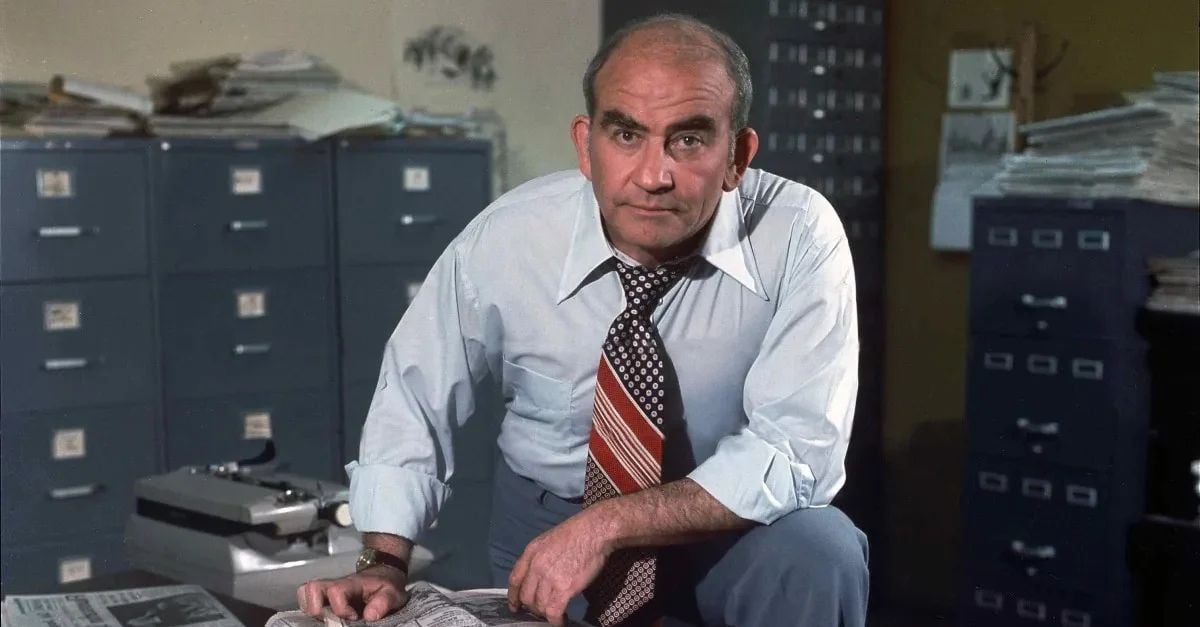
In “The Lou and Edie Story,” which aired October 6, 1973, Lou told Mary that a counselor had suggested he and his wife, Edie, try a trial separation. Ed Asner played it straight, and the storyline ran through much of the fourth season, with Mary trying to patch the two of them up in “Just Friends” that November. It didn’t take. When the sixth season opened on September 13, 1975, with “Edie Gets Married,” Lou had to decide whether he could stand to watch his former wife marry someone else, and with Mary beside him he made his peace with it.
Rhoda went further on her own show. Valerie Harper’s Rhoda drew more than 50 million viewers for the hour-long episode in which she married Joe Gerard on October 28, 1974, and two seasons later the third season opened on September 20, 1976, with “The Separation.” By the next season the marriage was over. Plenty of fans hated the split, but the wall CBS had put up in that New York conference room was gone. The show itself kept rolling until March 19, 1977, and it left with 29 Emmy Awards, a record for a comedy that stood until Frasier passed it in 2002. If you want to know who from that newsroom is still with us, here is where the cast of The Mary Tyler Moore Show stands today.
Mary Tyler Moore Knew More About Divorce Than CBS Did
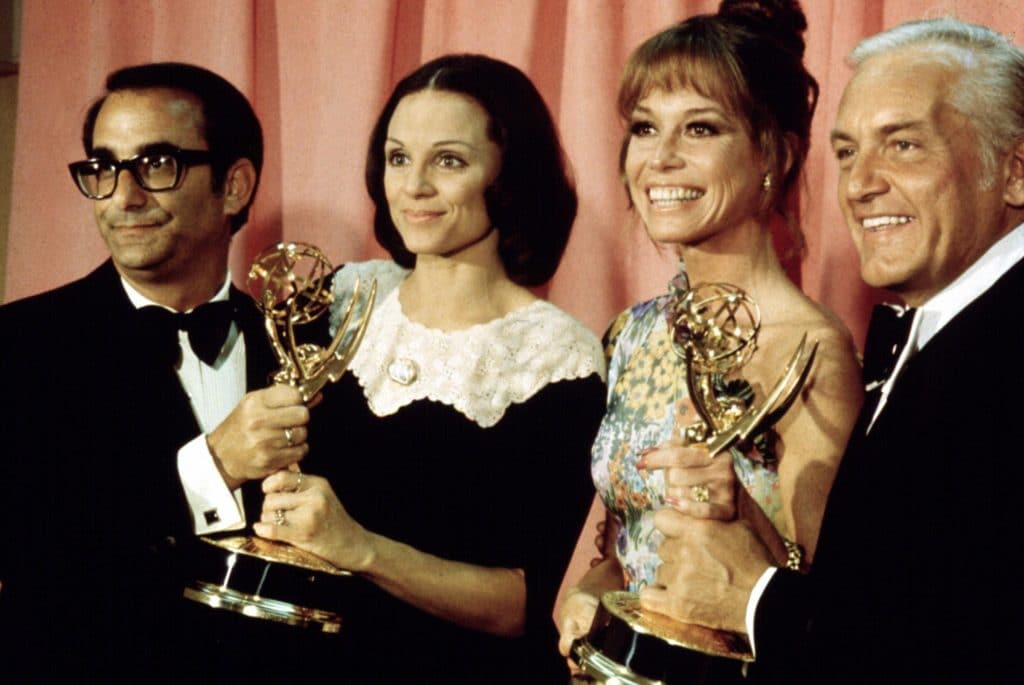
There was a quiet irony in the network’s worry about Moore’s image. She had married Richard Meeker in 1955, when she was 18, and that marriage had already ended in divorce before she married Tinker in 1962. The woman CBS was protecting from a divorced character had been through one herself. Her marriage to Tinker, the man who had set up the whole show, ended too, after a long series of separations, and they divorced in 1981. She married Dr. Robert Levine in 1983 and stayed with him for the rest of her life.
Mary Richards never did marry during the show’s seven seasons. When Moore and Harper finally brought the two friends back for the ABC movie Mary and Rhoda on February 7, 2000, Rhoda had just divorced her second husband and left Paris, and Mary returned to New York as a widow whose congressman husband had died in a climbing accident. Moore died on January 25, 2017, at 80. Allan Burns died on January 30, 2021, at 85, and James L. Brooks, now 86, went on to win three Oscars for Terms of Endearment. The character CBS would not allow to be divorced in 1970 came back to TV 30 years later as a widow.

 Robert Redford’s 2 Surviving Daughters Are All Grown Up. Here’s What They’re Doing Today