
In the spring of 1960, Warner Bros. told James Garner it had no scripts for Maverick, so it would stop paying him. The Writers Guild was on strike, and the studio pointed to the “force majeure” clause in his contract, the act-of-God provision that let it suspend actors when outside events shut down production. Garner, then 31 and the star of one of the hottest Westerns on television, did not believe a word of it.
He was right, and a Los Angeles courtroom eventually proved it. What followed cost Maverick its leading man, handed his saddle to a young Englishman who would one day play James Bond, and set up one of the stranger second acts in the career of the man who later became Jim Rockford.
How Did A Writers’ Strike Cost James Garner His Paycheck?
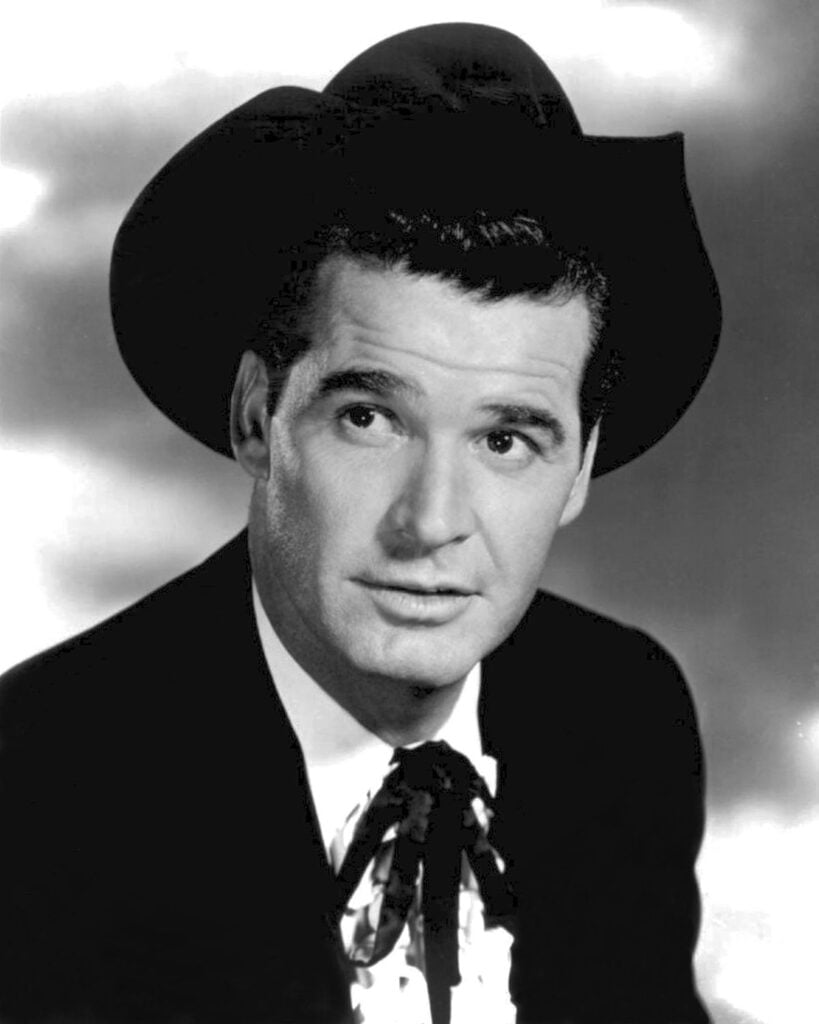
Garner had come to Maverick almost by accident. Producer Roy Huggins spotted his deadpan reactions in a 1957 episode of the Warner anthology Conflict and built the gambler Bret Maverick around them. The show premiered on ABC on September 22, 1957, and by its second season it ranked sixth in the Nielsen ratings with a hero who would rather talk his way out of a gunfight than win one.
Garner, though, was still a contract player, paid a weekly salary no matter how big the show got. When the Writers Guild walked out in January 1960, Warner suspended him that March. The studio then went to court first, asking a judge to declare that it owed him nothing, and Garner answered on April 26, 1960, with a cross-complaint accusing Warner of breaching his contract. “Contracts are completely one-sided affairs,” he said, in words the Television Academy Foundation quotes in its history of the show. “If you click, [the studio] owns you.”
The case came down to one question. Had the strike really stopped Warner from making Maverick?
What Did The Judge Decide In December 1960?
After a three-day trial, Los Angeles Superior Court Judge Arnold Praeger ruled in December 1960 that Warner had no legal right to suspend Garner under the force majeure clause. Trade reports at the time said the judge leaned mainly on testimony from studio chief Jack L. Warner himself. The studio had not been short of material at all. According to the Television Academy’s account, Warner had gathered roughly 100 TV scripts during the strike and at one point had as many as 14 writers working under the pen name “W. Hermanos,” which is simply Spanish for Warner Brothers.
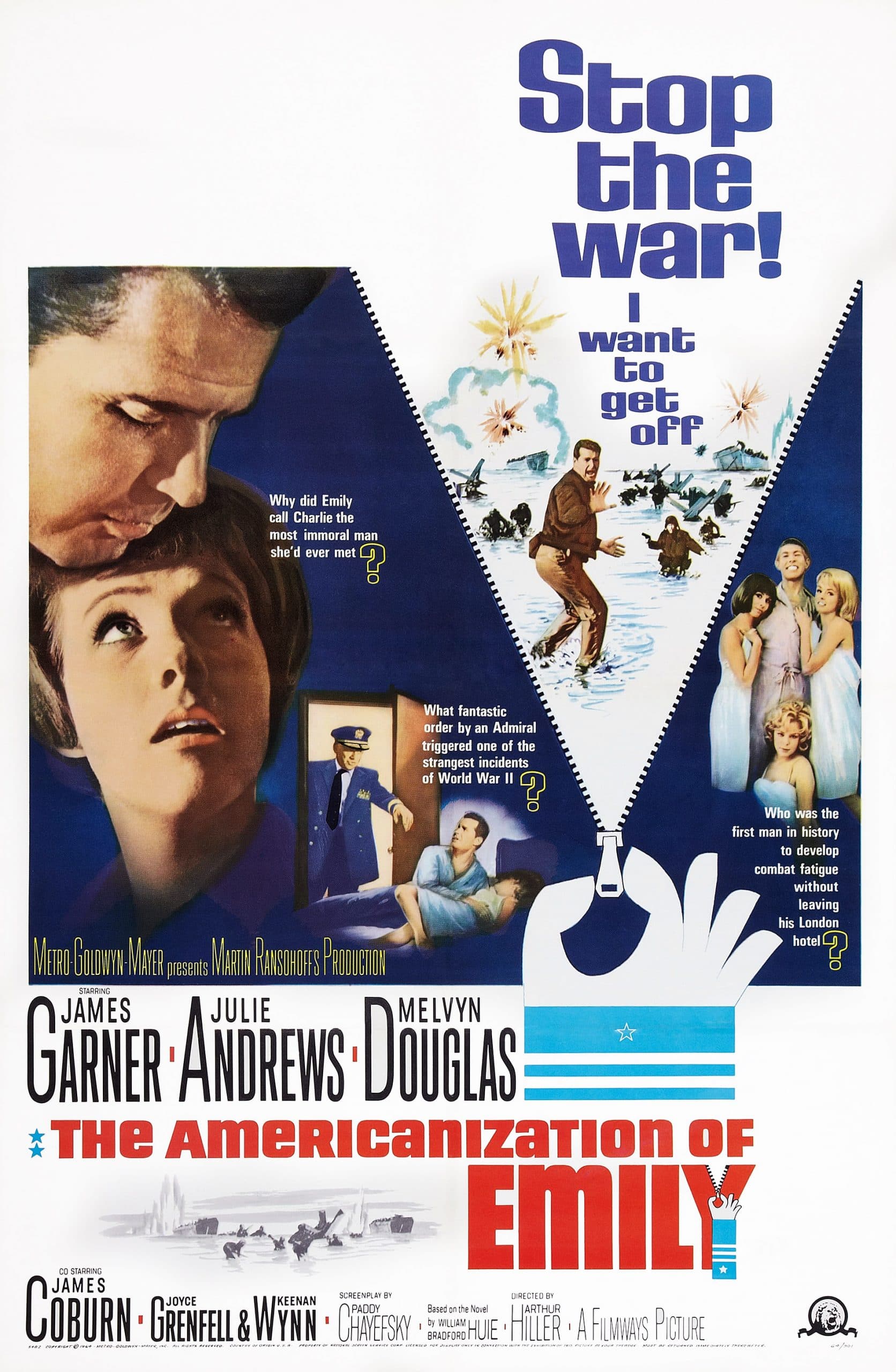
The court declared Garner’s contract terminated, and the studio’s appeal went nowhere. In November 1961, California’s Court of Appeal upheld the decision in Warner Bros. Pictures, Inc. v. Bumgarner, filed under the actor’s birth name and finding that the strike had not stopped Maverick from being made. Garner was free, and he did not look back. His next picture was William Wyler’s The Children’s Hour (1961), and within a few years he was making The Great Escape and The Americanization of Emily.
Warner still had a hit show to fill on Sunday nights, though, and it had a plan.
Who Took Bret Maverick’s Place?
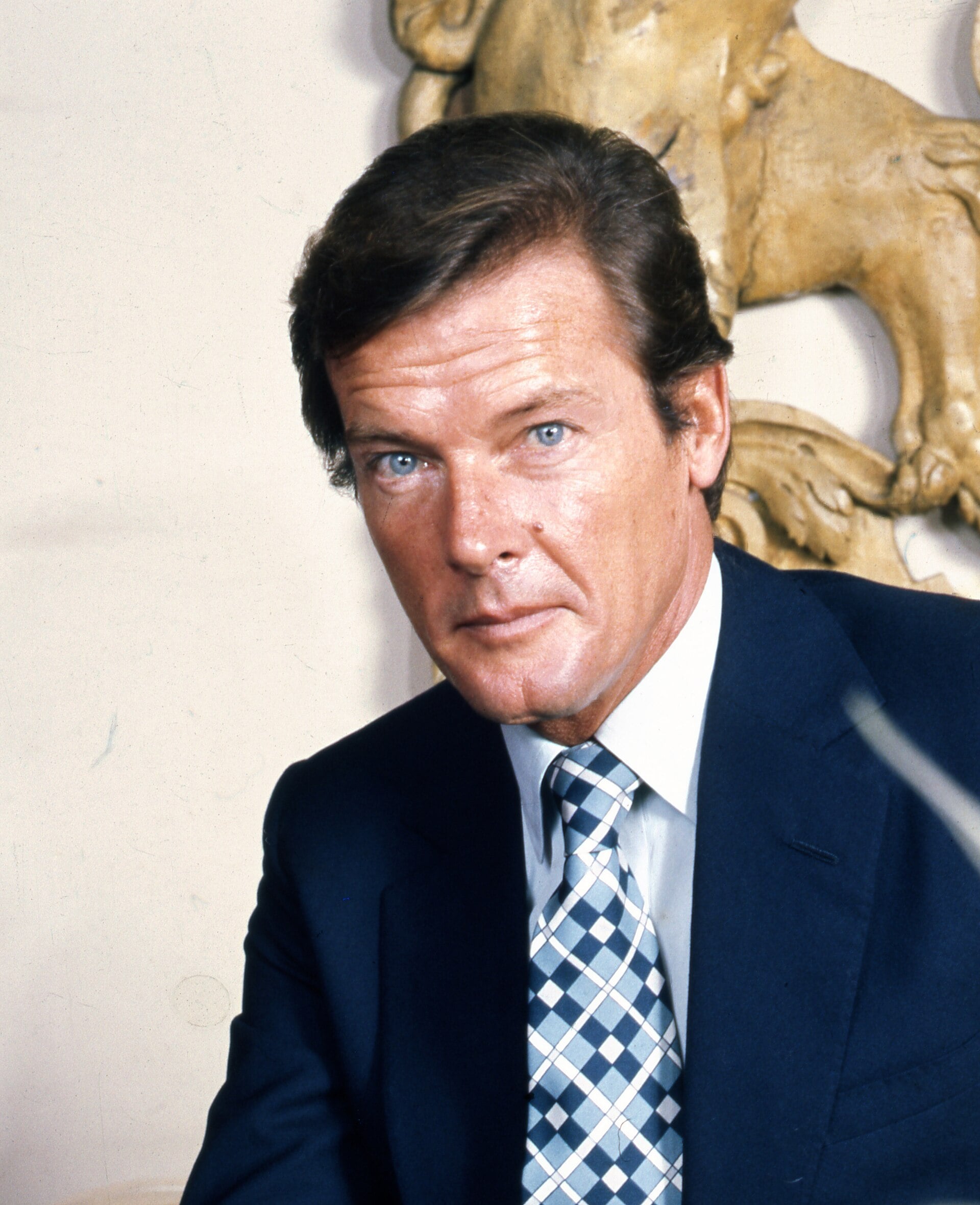
The studio’s answer was a cousin. Roger Moore, already under contract at Warner, was cast as Beau Maverick, the “white sheep” of the family who had spent years in England. Sean Connery had reportedly been offered the part first and passed, which means both future 007s were in the mix to replace Garner. Moore debuted in “The Bundle From Britain” on September 18, 1960, the episode that opened season four. A two-brother Garner episode filmed the year before, “The Maverick Line,” had been meant for that slot instead, and it aired on its own on November 20, 1960.
Moore did not stay long. His final episode, “Red Dog,” aired March 5, 1961, and he later complained that he was being handed old Maverick scripts with the names changed. Robert Colbert was brought in for two episodes as a third brother, Brent, but it was Jack Kelly’s Bart who held the show together. Kelly, who had joined as Bret’s brother in the show’s first season, was the only Maverick in all five seasons, and in the last one he carried the new episodes alone, alternating with reruns of Garner’s old ones. The ratings never recovered, and Maverick rode off for good on April 22, 1962.
For Garner, the fight with a studio would not be his last.
Did James Garner Ever Make Peace With Warner Bros.?

After The Rockford Files ended, Garner sued Universal in 1983, claiming creative accounting had cheated him out of his 37.5 percent share of the show’s profits. The case was settled “on the courthouse steps” in 1989, as he put it in his 2011 memoir The Garner Files, and the Los Angeles Times reported that he wrote that his wife kept telling him to wipe the grin off his face. When NBC revived Rockford’s famous answering machine this month, his daughter knew what her dad would think.
Yet the studio he beat in 1960 kept coming back for him. In December 1981, Garner returned to the role that started it all in NBC’s Bret Maverick, produced by his own company with Warner Bros. Television. At the very end of its final episode, “The Hidalgo Thing,” on May 4, 1982, Jack Kelly walked back in as Bart, the brother who had kept the family name alive after Garner left.
Then, in 1994, Warner Bros. released a big-screen Maverick with Mel Gibson as Bret. Garner played Marshal Zane Cooper, and in the film’s final twist the lawman turns out to be Bret’s father. The movie opened at number one. Garner died at his Los Angeles home on July 19, 2014, at 86, and he never pretended there was much distance between his two most famous characters. “If you look at Maverick and Rockford,” he said in 2011, as The Philadelphia Inquirer reported, “they’re pretty much the same guy.”