

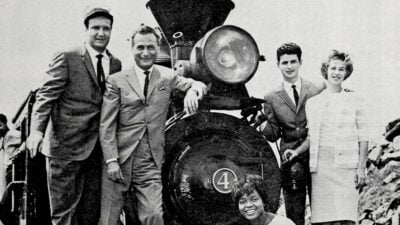
In the summer of 1962, the No. 1 record in America was sung by a young woman who had been earning $35 a week to look after Carole King and Gerry Goffin’s little girl. Her name was Eva Boyd, the song was “The Loco-Motion,” and on August 25, 1962, it knocked its way to the top of the Billboard Hot 100. King and Goffin were still in their early twenties and writing songs in a cubicle for Don Kirshner. Boyd had come up from Belhaven, North Carolina, where she was the 10th of 13 children.
The story usually gets told as a happy accident: the babysitter who danced around the kitchen until her bosses wrote her a hit. Most of that version doesn’t hold up. What really happened is better, and what happened to Eva after the record stopped spinning is the part most fans never heard.
How Did Carole King’s Babysitter End Up Making The Record?

Boyd landed in New York as a teenager and worked as a maid before she found her way into the Goffin household in 1961, according to the Spectropop music archive and her Wikipedia biography, both of which note she shared a room with baby Louise Goffin. She was already singing. “I got a job singing with the Cookies, and Carole needed a babysitter, as she was expecting and already had a three-year-old,” she told the London Independent years later.
King and Goffin wrote “The Loco-Motion” with Dee Dee Sharp in mind, modeling it on her hit “Mashed Potato Time.” Sharp’s label passed. So the couple had Eva cut the demo, and King made it clear that this was no fluke casting. “We knew that [Eva] could sing, she had a really great voice,” King told NPR in April 2003. Kirshner heard the demo and decided it was a hit exactly as it was. It became the very first release on his new Dimension label, with King and Eva overdubbing the backing vocals themselves.
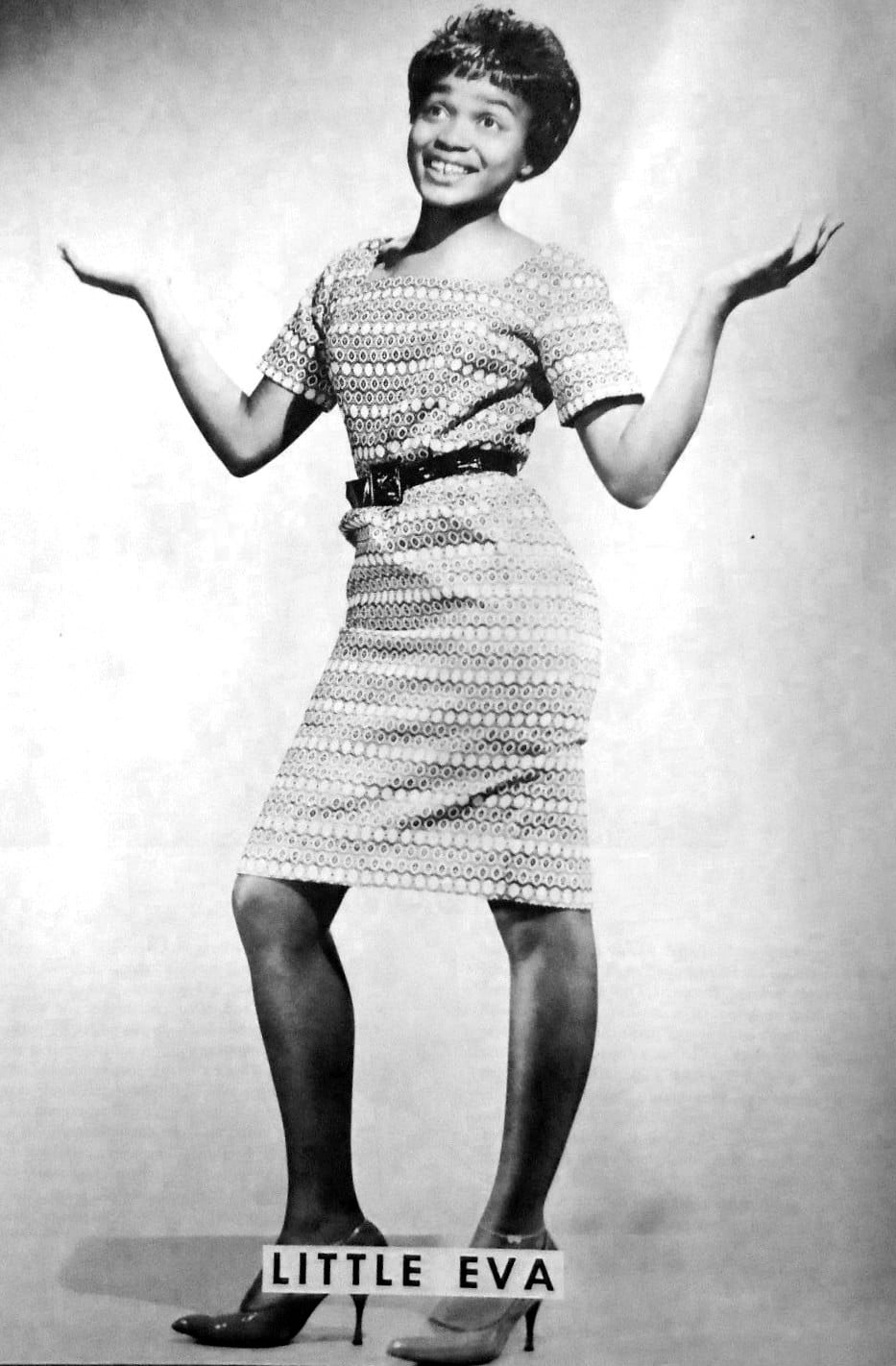
Eva took her stage name from her own family. “I had an aunt called Eva, so she was Big Eva and I was Little Eva,” she told the London Daily Telegraph. The record spent a week at No. 1 on the pop chart, topped the R&B chart as well, and sold more than a million copies. The only trouble was that nobody had invented the dance it was named after.
Was There Ever Really A Loco-Motion Dance?

Not when the song was written. In her 2012 memoir A Natural Woman, King explained that the lyric only hinted at dance moves, and that once the record took off, “Eva had to invent one for personal appearances.” The image of Eva shimmying around the Goffin kitchen and inspiring the song is a legend that the song’s own writers never told.
The hits kept coming for a short while. “Keep Your Hands Off My Baby” reached No. 12 later in 1962, and “Let’s Turkey Trot” climbed to No. 20 in 1963. That same year she sang on “Swinging on a Star” with Big Dee Irwin, a Top 40 duet that went to No. 7 in Britain, even though her name was left off the label. Her pay as a recording artist was a salary of about $50 a week, and as Stereogum has pointed out, she never owned the rights to her own recordings. By the end of the 1960s the work had dried up.
What Happened To Little Eva When The Hits Stopped?
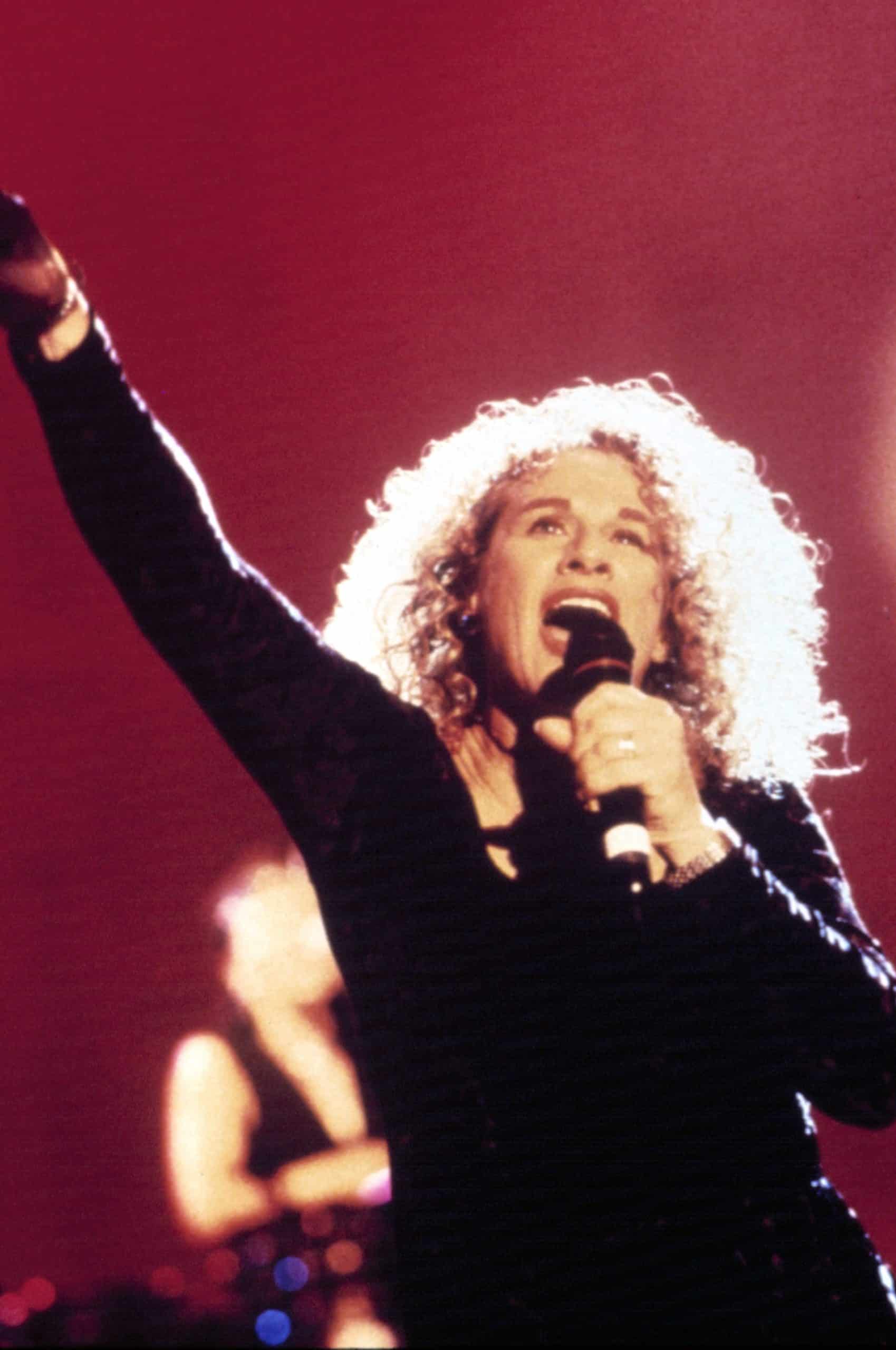
She quit the business in 1971 and went home to North Carolina, a penniless single mother of three young children, according to Spectropop and her Wikipedia biography. She waited tables and at times lived on welfare to pay the rent. “I was living in poverty, welfare, food stamps. The only singing I did was in church,” she told the Asbury Park Press in 1992.
Meanwhile her song kept outliving everyone’s expectations. Grand Funk Railroad took a hard rock version of “The Loco-Motion” to No. 1 in May 1974, making it only the second song ever to top the Hot 100 for two different artists. The first was another Goffin and King song, “Go Away Little Girl.” Then Kylie Minogue took it to No. 3 in America in 1988, which made it the only song to reach the Top 3 in three different decades by three different acts. Eva was not impressed with that last one. “Kylie Minogue’s revival is all right, but mine is better,” she told the Independent. Carole King’s songwriting kept producing classics, including the one Aretha Franklin turned into “(You Make Me Feel Like) A Natural Woman”, but the woman who first sang “The Loco-Motion” was back in Kinston.
How Did Little Eva’s Story End?
When a reporter tracked her down in 1987, she was working in a Kinston restaurant. “I don’t loco-mote no more,” she said. The Kylie version brought fresh calls from promoters, and she slowly said yes. She recorded a gospel album, Back on Track, in 1989 and spent the next decade working the oldies circuit. Of one homecoming show, she told the Charlotte Observer in 1994, “It was a loving reception. I hadn’t been sure the people would still love me. Emotionally, I got healed that night.”
She kept singing until October 2001, when she was diagnosed with cervical cancer. Eva Boyd died in Kinston on April 10, 2003, at 59, and was buried in the Black Bottom Cemetery in Belhaven, the town she left as a girl. For five years her grave had only a small marker. Then in 2008 WRAL reported on the state of the cemetery, and a local monument maker named Quincy Edgerton offered to make her a proper headstone for free. It was unveiled that November. It carries a little locomotive etched into the stone, her full married name, Bishop Eva N. Harris, and four more words underneath: “Singing with the Angels.”

 Tony Dow Sent Flowers After ‘Leave It To Beaver’ Star Jerry Mathers Was Reported Killed In Vietnam, But The Beaver Never Left The Country