

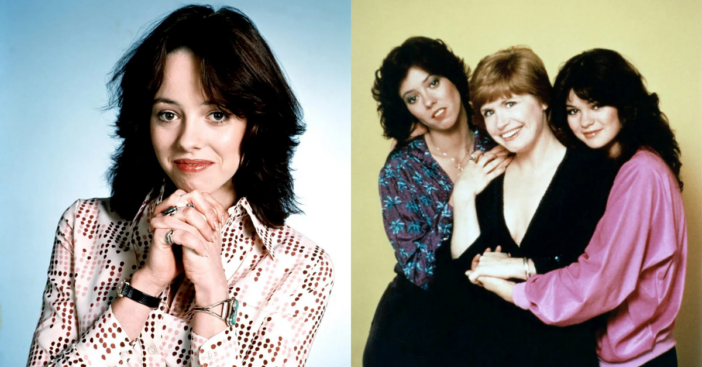
Decades after One Day at a Time became a television favorite, Mackenzie Phillips is looking back at some of the less comfortable moments behind the scenes. During a recent conversation with former costar Valerie Bertinelli, she revealed that she struggled to get along with one member of the original cast.
According to Entertainment Weekly, the actress said Richard Masur, who played David Kane during the sitcom’s first season, “wasn’t very nice” to her at the time. Their tension never became a long-running problem, however, because Masur left the series after Season 1. Years later, the two eventually crossed paths again and cleared the air.
Mackenzie Phillips Says She and Richard Masur Clashed
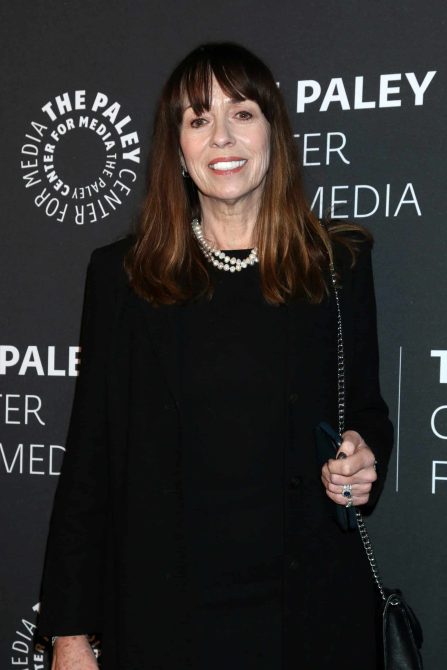
Phillips shared the memory on Bertinelli’s Getting Naked podcast, explaining that she and Masur simply did not get along during the show’s early days. Masur played Ann Romano’s divorce lawyer and later fiancé, giving him a significant role during the first season before his character left town following their breakup.

Time eventually softened the situation. Phillips said Masur later apologized when they saw each other again, telling her that he no longer remembered exactly what had happened but regretted whatever he had said. He also praised her talent and acknowledged how young they all were when the show began. For Phillips, the conversation allowed the two to make peace with an old conflict rather than carry it forward.
‘One Day at a Time’ Had Its Own Behind-the-Scenes Pressures

The discussion also prompted Bertinelli to remember her own complicated feelings about working on the sitcom. She admitted that legendary producer Norman Lear sometimes intimidated her because she worried about being reprimanded, even though she also remembered him as caring and protective. Bertinelli recalled struggling to cry during the first-season finale, prompting Lear to pull her aside and offer support. Looking back, she believes both young actresses benefited from having someone who tried to protect them in an industry that could be especially harsh toward young female performers.
Those memories add another layer to a show audiences largely remember for its warmth, humor, and family dynamics. One Day at a Time became a major part of 1970s and 1980s television, but the cast members were still young people learning how to navigate fame, pressure, and complicated working relationships. For Mackenzie Phillips, that history now includes both the conflict she experienced and the reconciliation that eventually followed.