

For many who grew up watching television in its golden era, Bill Cosby once stood for warmth and family-centered humor. That image has faded over time, replaced by years of legal battles and public scrutiny. The latest Bill Cosby verdict has brought that shift back into focus, reminding audiences how quickly a legacy can change.
This recent development, tied to Donna Motsinger, highlights how the past can resurface in unexpected ways. According to reporting from The New York Times, the case shows how new legal pathways allow older claims to return to court. It also raises difficult questions about memory, justice, and how society responds when long-silenced voices are finally heard.
Bill Cosby Verdict Reflects Decades Of Allegations

A California jury ruled in favor of Donna Motsinger in a civil case tied to an alleged assault from 1972. She testified that the incident followed an encounter connected to one of his performances. Her account mirrors many others that have surfaced over the years, creating a pattern that continues to shape public discussion.

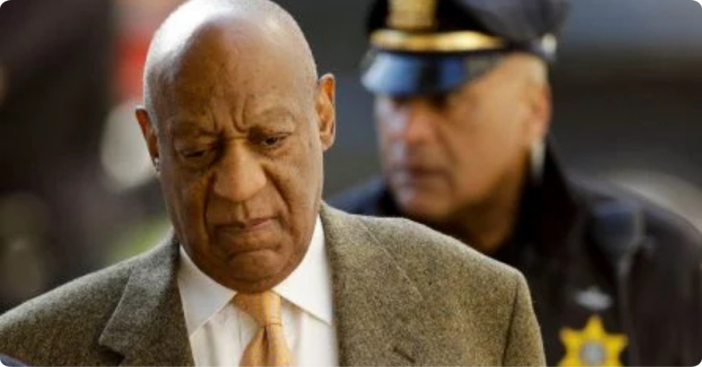
Bill Cosby arrives for his sexual assault trial, at the Montgomery County Courthouse in Norristown
The Cosby ruling carries weight because of the time that has passed. More than fifty years later, the case reached a courtroom and received a verdict. Cosby has denied the claims and intends to appeal, but the decision still marks a moment of recognition for an allegation that once might not have moved forward.
The Bill Cosby Case of Donna Motsinger Indicates a Wider Change

A broader shift in the way the legal system handles older claims is reflected in the Donna Motsinger-Bill Cosby case. Lawmakers created temporary windows that allow individuals to file cases long after the usual deadlines. These changes have given people a chance to speak and pursue action that once seemed out of reach.
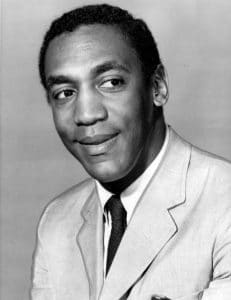
For longtime viewers, the contrast feels stark. The same figure who once shaped television history now faces a very different kind of legacy. This moment does not erase the past, but it reshapes how it is remembered. The story continues to evolve, and each case adds another layer to an already complex history.